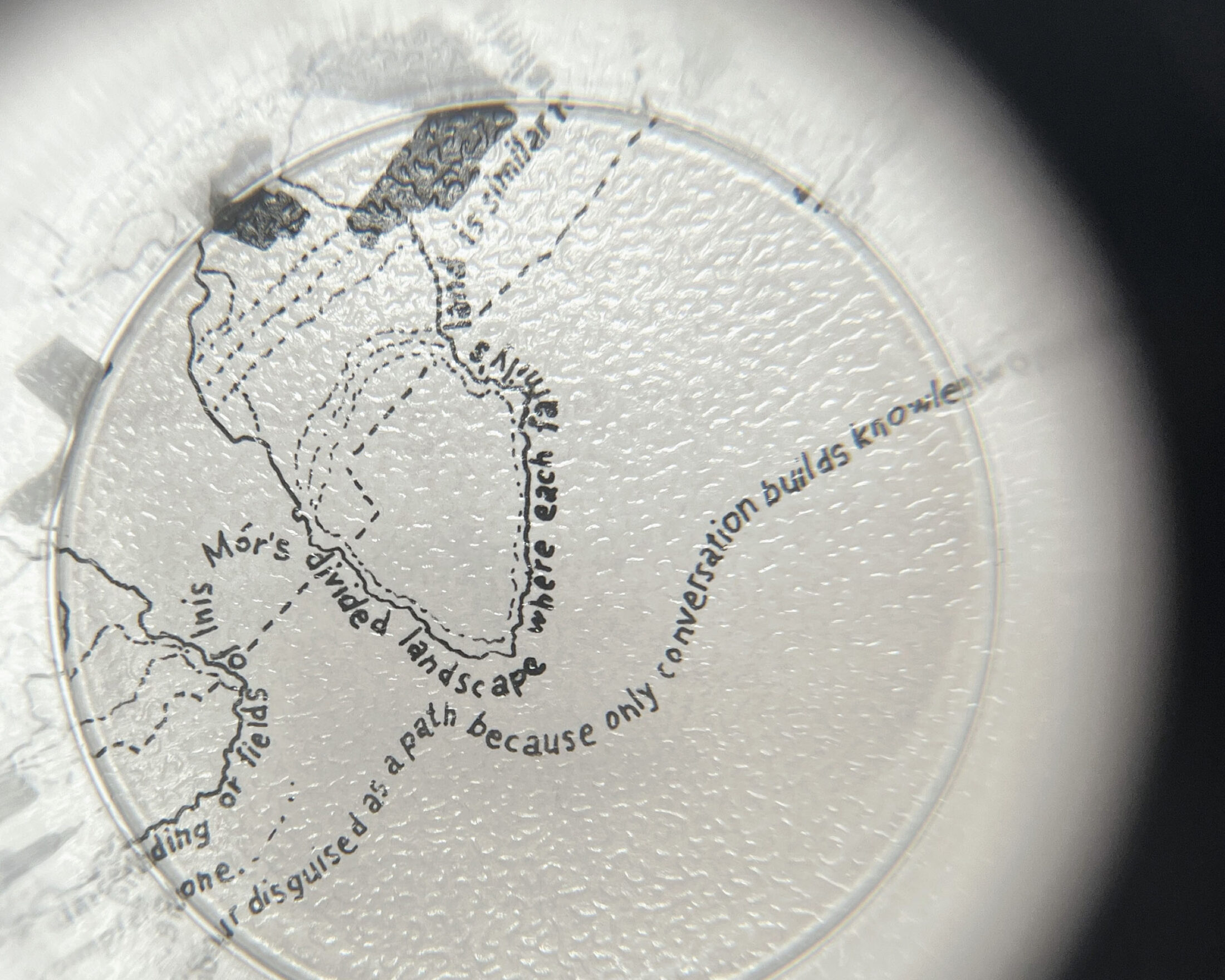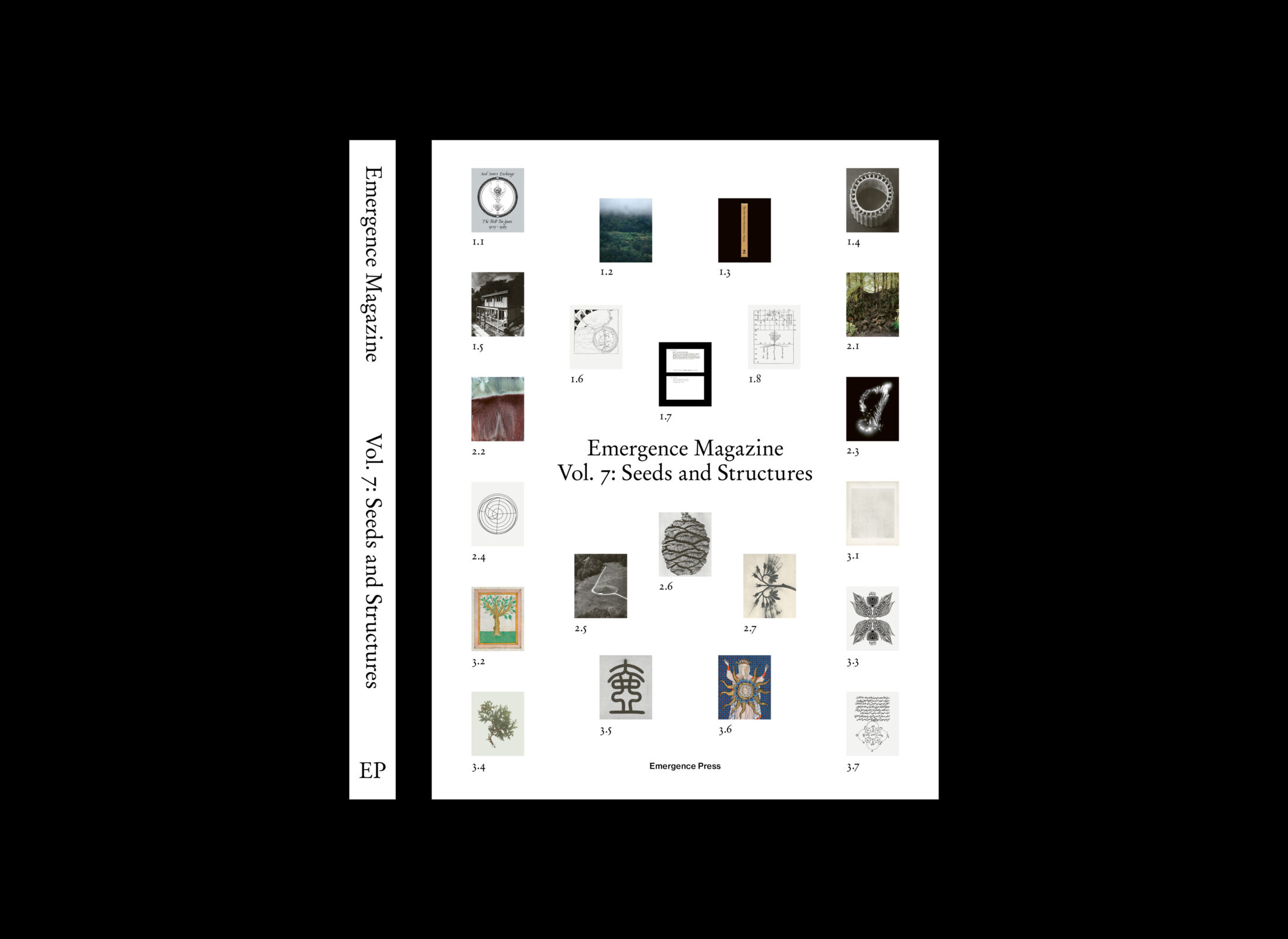
Emergence Magazine Vol. 7
Through physical, metaphysical, and symbolic perspectives, our seventh print volume seeks the kinds of seeds and structures we will need to embody a new ecological consciousness. Weaving the practical with the esoteric to explore spiritual ecology as an emerging ontology, it reimagines our most fundamental bodies of knowledge, investigates more-than-human structures we can emulate, and looks to ancient spiritual systems that recognize the Earth as animate and alive, and not separate from the Divine.
Within this edition you’ll find stories of seed-saving, indigenous seeds, buildings made of seaweed, the radical systems thinking of American architect and inventor Buckminster Fuller, and Japanese farmer Masanobu Fukuoka’s “do-nothing” approach to agriculture. Essays about cultural memories encoded in gourds, the relationship between seeds and our psyches, imaginal seeds for the future, and the process of serotiny as a symbol for our time of eco-collapse. We speak to visionary scientists working with forests, mycelial networks, and plant communication, and return to ancient systems and structures of knowledge, from Aboriginal governance structures and the Anishinaabe Four Orders of Creation to thirteenth-century Sufi philosopher Ibn ‘Arabi’s ontology of the “Oneness of Being,” Daoist cosmology, and the women-led nonhierarchical Christian mystical movement of the Beguines. It is perhaps our most ambitious issue to date, overflowing with different ways of being and knowing, all inviting you into the radical work of seeding renewal and the structures necessary for a living future.
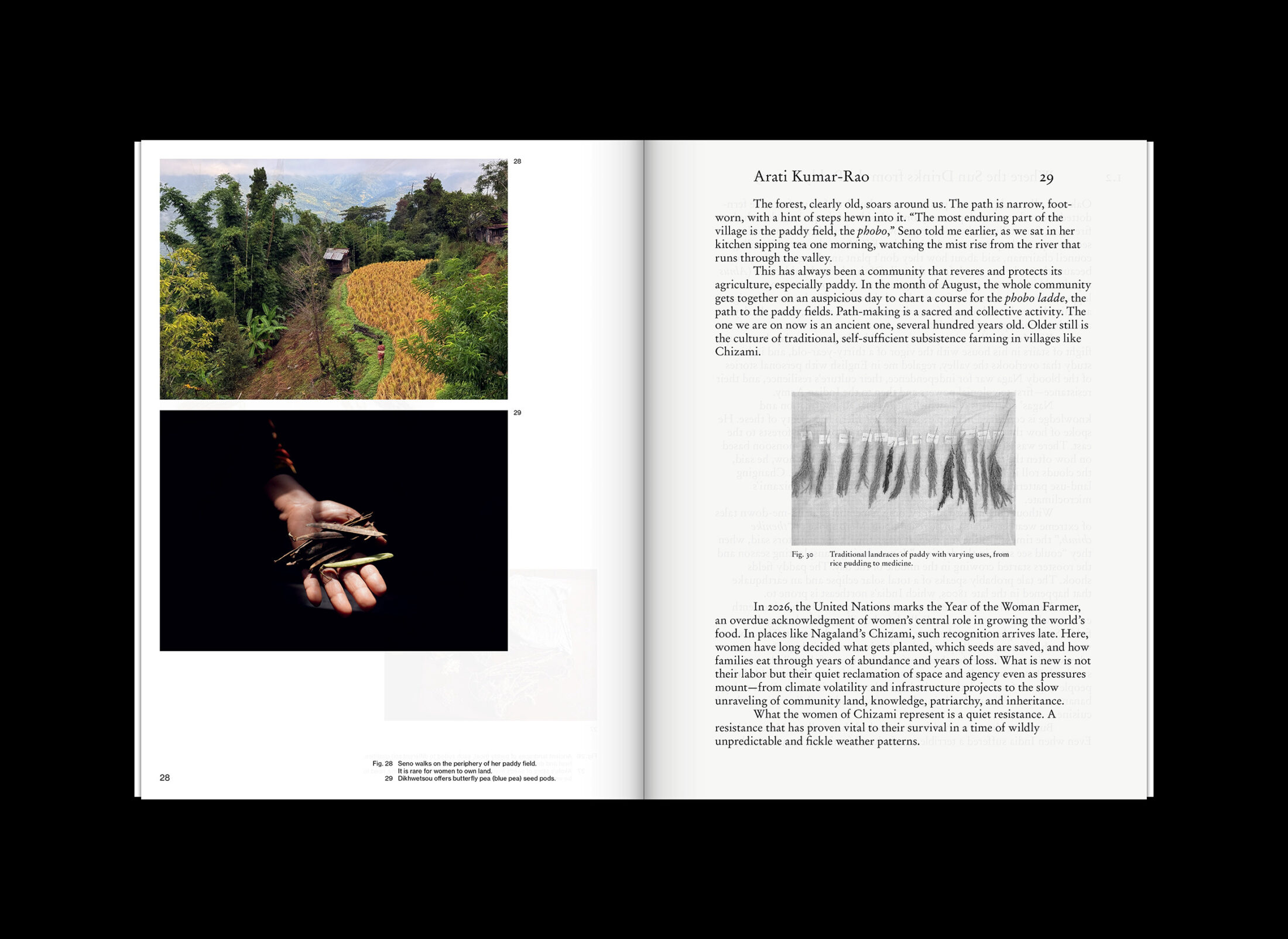
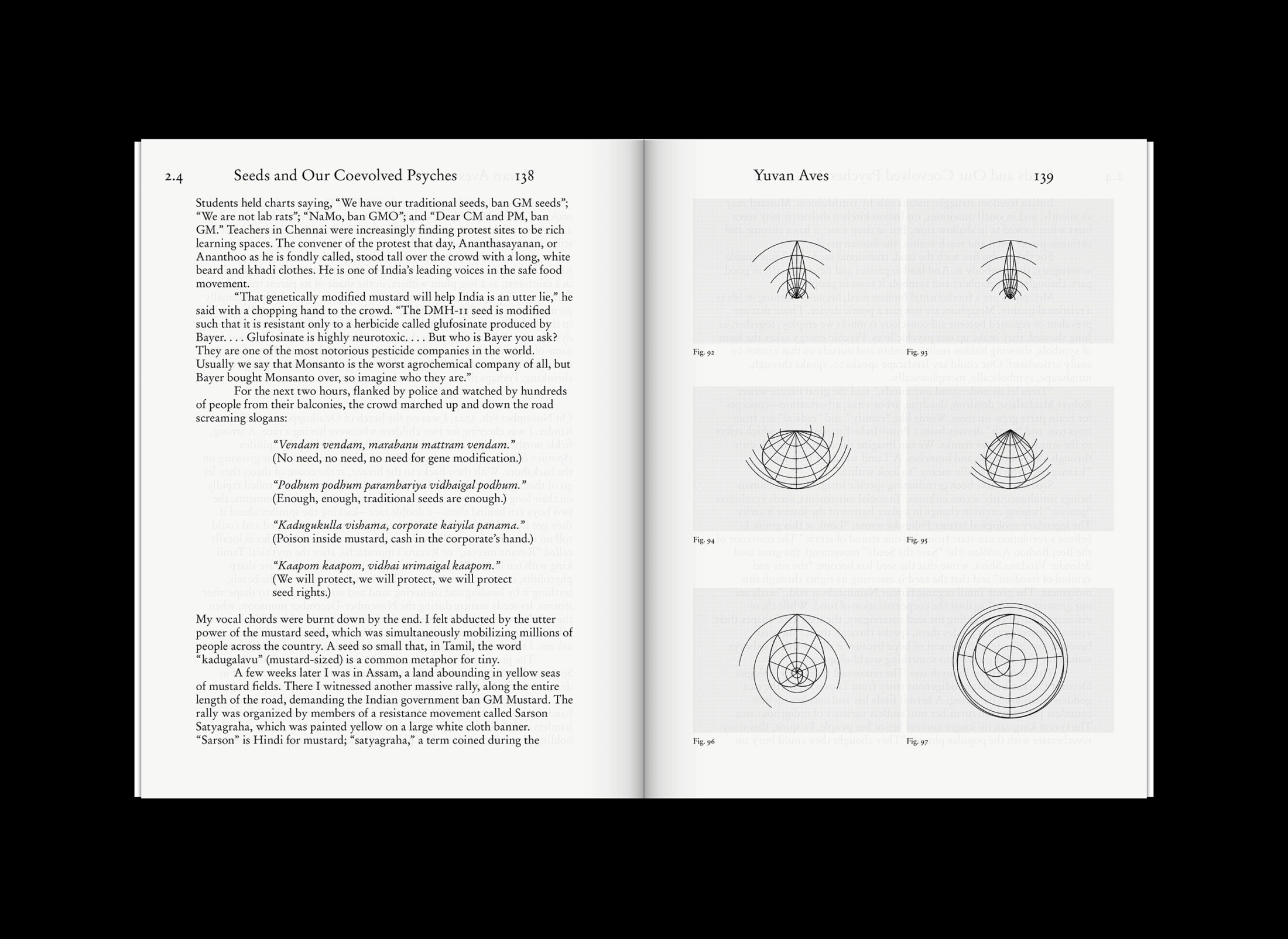
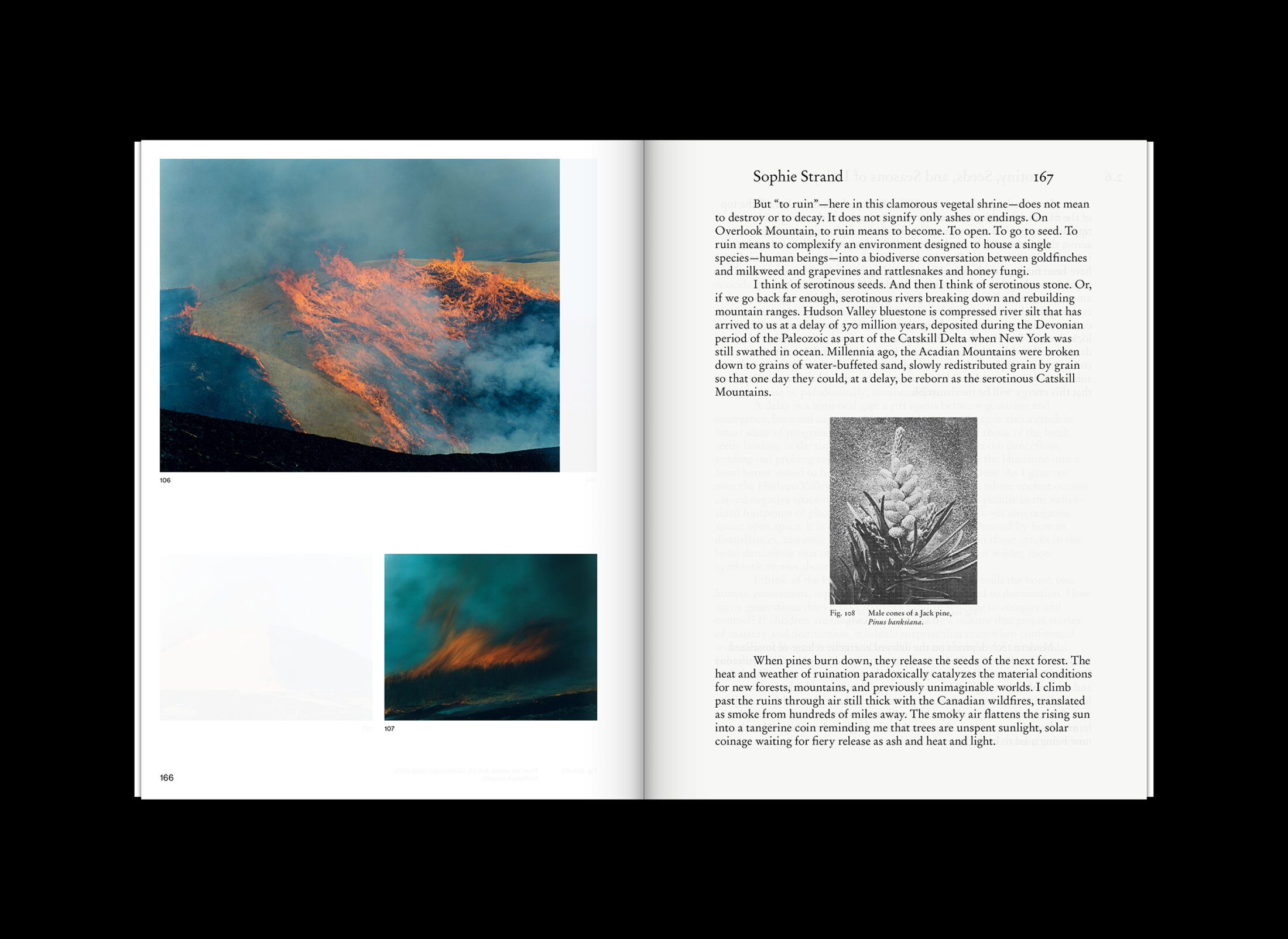
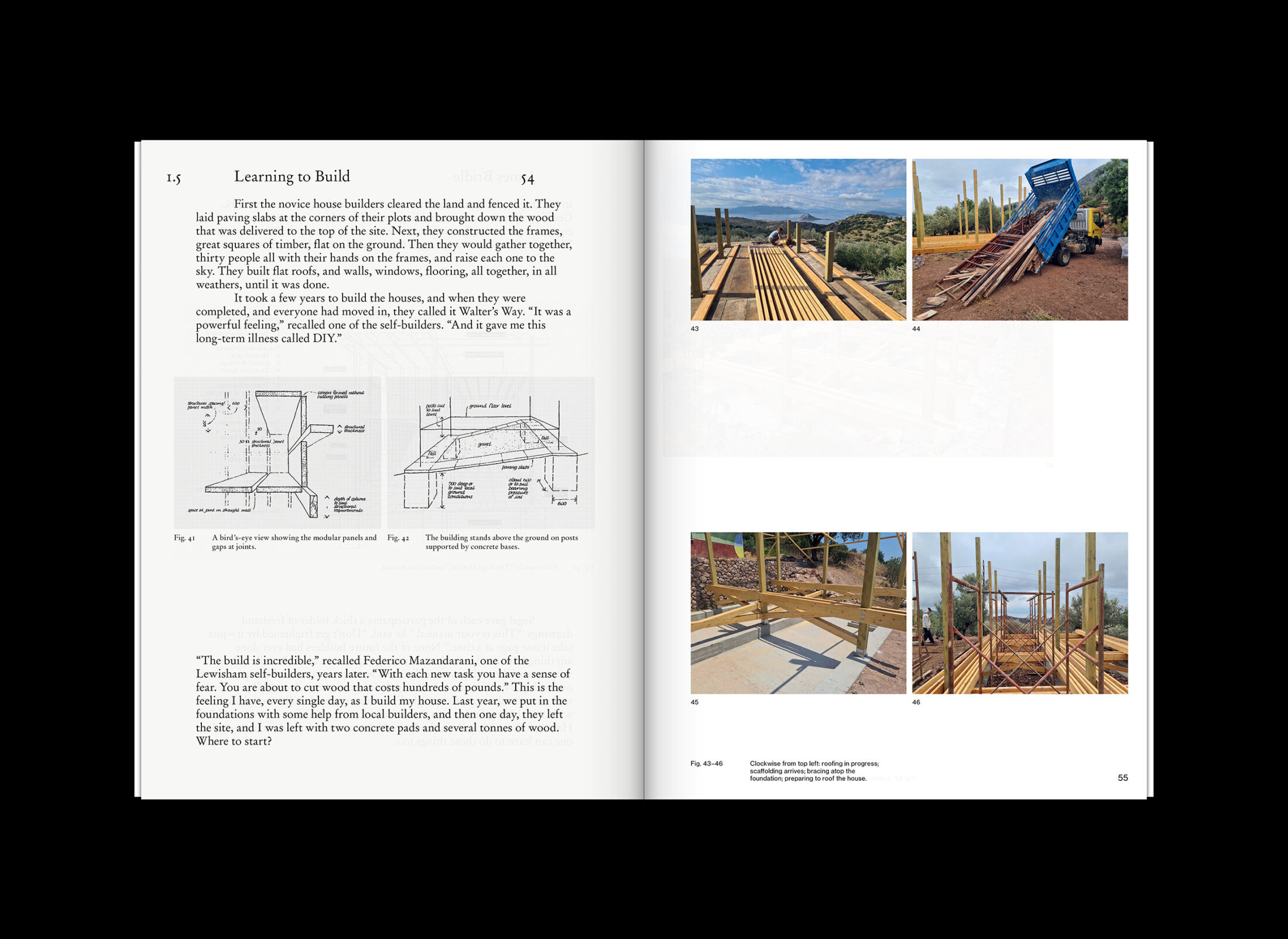
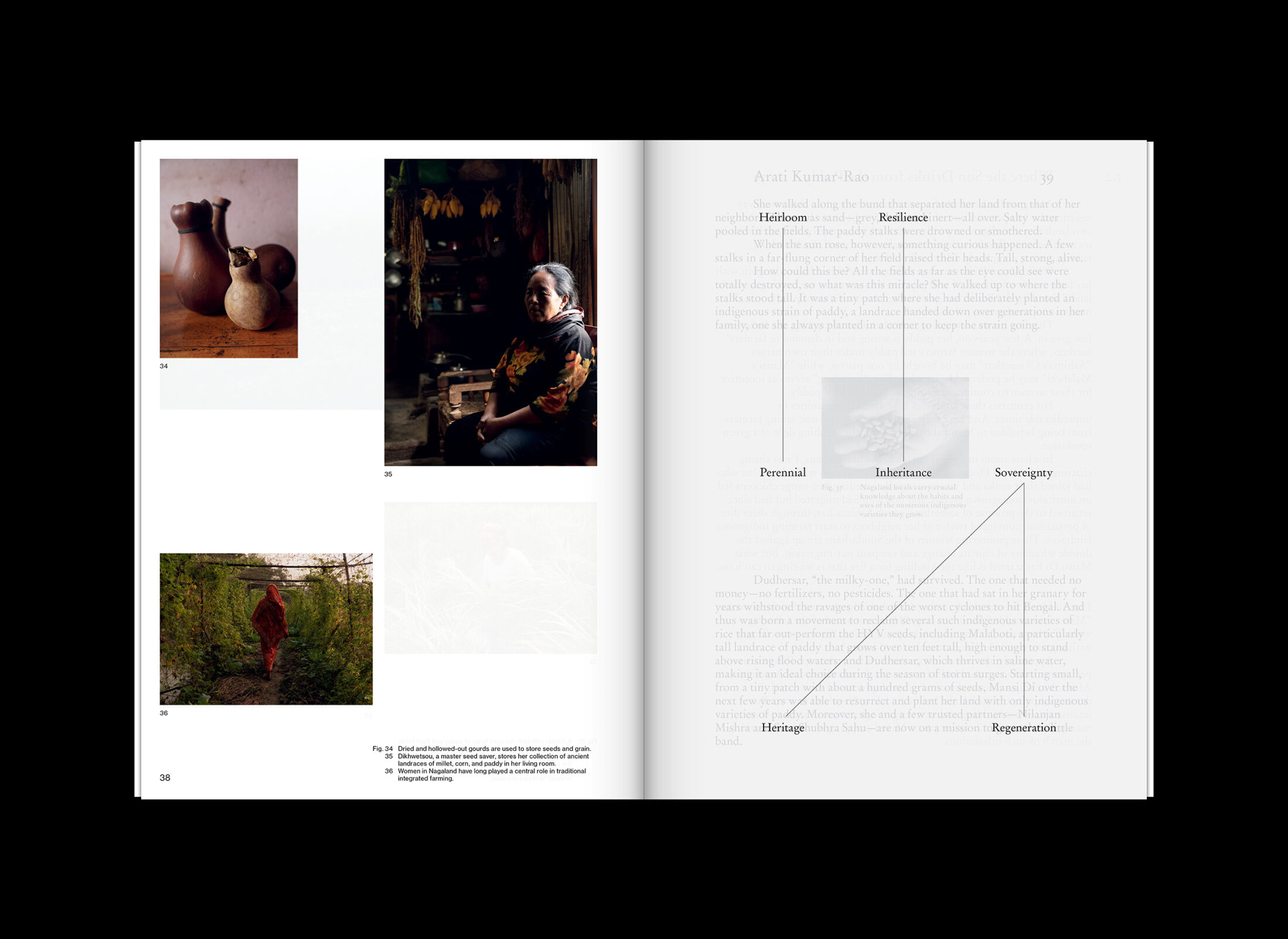
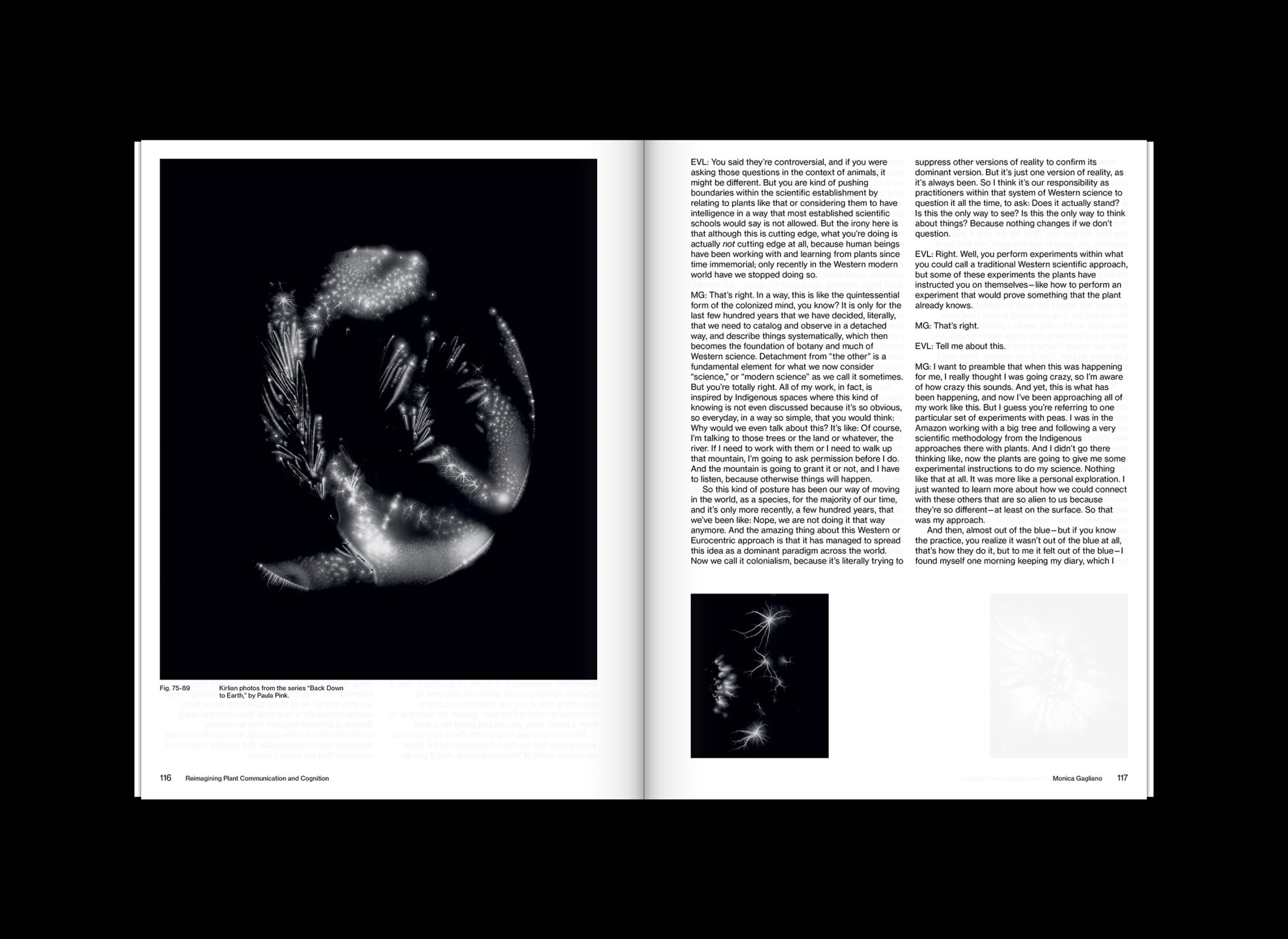
The contributors to Seeds and Structures have been honored with numerous distinguished awards, including the Pushcart Prize, the Royal Society Book Prize, the Whiting Award, the Thoreau Prize, the Wainwright Prize, the American Book Award, the National Book Foundation Science + Literature Award, the American Library Association’s Award for the Preservation of Intellectual Freedom, the National Poetry Series Award, the Griffin Poetry Prize, the Kingsley Tufts Poetry Award, the Pacific Northwest Booksellers Awards, the LA Review of Books Lifetime Achievement Award, the M. Krishnan Memorial Nature Writing Award, and McDowell, Guggenheim, and Lannan fellowships.
-
Yuvan Aves
Yuvan Aves is a writer, naturalist, and environmental defender based in Chennai, India. He is an active part of resistance and community movements against ecocide and industrial violence and the founder-managing trustee of Palluyir Trust for Nature Education and Research. His books include A Naturalist’s Journal, Seashells, and Intertidal, which is the first South Asian work to be shortlisted for the Wainwright Prize. He is the recipient of the Sanctuary Asia Green Teacher Award and the M. Krishnan Memorial Nature Writing Award, among other accolades. His upcoming book Inscendence: A Journey with Insects will be published in 2027.
-
Aylie Baker
Aylie Baker is a writer, educator, and herbalist living in N’dakinna, the unceded traditional homelands of the Wabanaki peoples. With a background in history and environmental studies, she has worked on storytelling projects that address water-related issues in Chile, Vermont, Oregon, and Micronesia. Her work is informed by experiences on the ocean, in her garden, and in her Zen practice.
-
Stephanie Beck
Stephanie Beck is a Wongatha Ngadju artist and knowledge custodian from Western Australia. She serves as the Vice Chancellor of IMAGI-NATION {University}, where her work focuses on centering Indigenous Systems Thinking in all aspects of design, development, and implementation through impact and storytelling.
-
James Bridle
James Bridle is a writer, artist, and technologist whose artworks have been commissioned by galleries and institutions worldwide, including the Victoria & Albert Museum, the Barbican, Artangel, the Oslo Architecture Triennale, and the Istanbul Design Biennial. James is the author of New Dark Age, which has been translated into over a dozen languages; and Ways of Being. Their writing on literature, culture, and networks has appeared in Wired, The Atlantic, The New Statesman, The Guardian, and The Financial Times, among others. For BBC Radio 4, they wrote and presented the four-part series New Ways of Seeing.
-
William Rory Dickson
William Rory Dickson is an associate professor of Islamic Religion and Culture at the University of Winnipeg, whose research focuses on contemporary Islam and Sufism. He is the author of Living Sufism in North America: Between Tradition and Transformation and Dissolving into Being: The Wisdom of Sufi Philosophy; and co-author of Unveiling Sufism and Contemporary Sufism.
-
David James Duncan
David James Duncan is author of the award-winning novels The River Why and The Brothers K, and most recently, Sun House; the nonfiction collection My Story as Told by Water, which was a finalist for the National Book Award; the best-selling collection of “churchless sermons” God Laughs and Plays; and the story collection River Teeth. His recognitions include three Pacific Northwest Booksellers Awards, two Pushcart Prizes, a Lannan Fellowship, and the American Library Association’s 2004 Award for the Preservation of Intellectual Freedom (with co-author Wendell Berry). David lives on a charming little trout stream in Missoula, Montana, in accord with his late friend Jim Harrison’s advice to finish his life disguised as a creek.
-
Masanobu Fukuoka
Masanobu Fukuoka was a Japanese farmer philosopher who pioneered a “do-nothing” approach to farming, commonly called “natural farming.” His book The One-Straw Revolution is a manifesto on the importance of no-till agriculture, detailing his innovative cultivation methods, which work in harmony with the natural world rather than trying to improve it. His recognitions include the Earth Council Award.
-
Haleh Liza Gafori
Haleh Liza Gafori is a poet, translator, and performance artist born in New York City of Persian descent. Her books Gold and Water feature acclaimed translations of Rumi’s poetry. A 2026 and 2024 MacDowell fellow, she has lectured and led workshops internationally, including at Stanford University, Sarah Lawrence College, the Academy of American Poets, and the Women’s Library in Istanbul.
-
Monica Gagliano
Monica Gagliano is a research scientist renowned for her pioneering work in plant communication, cognition, and subjectivity. Recognized as one of Biohabitats’ twenty-four most “Inspiring Women of Ecology,” alongside Jane Goodall and Rachel Carson, her research challenges conventional boundaries of intelligence and inspires new ways of relating to the natural world. Monica’s contributions include numerous influential scientific papers and the books Thus Spoke the Plant; and The Mind of Plants, co-edited by John C. Ryan and Patrícia Vieira. She is a research associate professor in evolutionary ecology in Australia and a free-roaming explorer bridging Western and Indigenous science to develop innovative approaches to planetary challenges.
-
Wendy Makoons Geniusz
Wendy Makoons Geniusz is Bear Clan, an Indigenous scholar, and an enrolled citizen of the Red River Métis Nation in Manitoba. She is the author of several texts on Anishinaabe-gikendaasowin (Anishinaabe knowledge) and previously taught Ojibwe language classes at the University of Wisconsin-Eau Claire. Currently, she is Professor of Decolonization and Indigeneity at York University in Toronto.
-
David Hinton
David Hinton has published numerous books of poetry and essays, and many translations of ancient Chinese poetry and philosophy, all informed by an abiding interest in deep ecological thinking. He is the first person in over a century to translate into English all four of the Chinese philosophical masterworks—Tao Te Ching, Analects of Confucius, Mencius, and Chuang Tzu. His translations have earned him the Guggenheim Fellowship, the Landon Translation Award, and the PEN American Translation Award. David recently received a lifetime achievement award from the American Academy of Arts and Letters. His most recent book is Wild Mind, Wild Earth. “Breath-Space and Seed-Time” is part of a forthcoming book entitled Orient.
-
Linda Hogan
Linda Hogan is a Chickasaw novelist, essayist, poet, and environmentalist. She is author of Mean Spirit, winner of the Oklahoma Book Award and the Mountains and Plains Book Award, and a finalist for the Pulitzer Prize. Her latest book of essays, The Radiant Lives of Animals, won the National Book Foundation Science + Literature Award.
-
Arati Kumar-Rao
Arati Kumar-Rao is a photographer, writer, and National Geographic Explorer who documents environmental degradation across South Asia. Her book, Marginlands, was listed in the Best Books of 2025 by Foreign Affairs and Publisher’s Weekly, and her work has appeared in National Geographic Magazine, BBC, and The Guardian, Hindustan Times, and Mint. Her current focus is human migration in India.
-
Daniel López-Pérez
Daniel López-Pérez is a professor of architecture and founding faculty member of the Architecture Program at the University of San Diego. He is the author of R. Buckminster Fuller: Pattern-Thinking, and his work has been presented internationally at institutions such as Harvard’s Graduate School of Design and the Venice Biennale. Daniel founded PolyHaus, which designs rapid, resilient mass-timber housing solutions.
-
Marko Milovanovic
Marko Milovanovic is an architect, artist, and journalist. He is the founder of the knowledge and space production practice Mylomark and the educational platform Free School Of, which celebrates conversation as a fundamental form of knowledge. He has worked on a number of award-winning healthcare, commercial, and educational buildings and written extensively on politics, culture, and urban regeneration for major Serbian newspapers. Marko currently teaches at the Architectural Association, the Royal College of Art, and Oxford Brookes University.
-
Roger Reeves
Roger Reeves is the author of Dark Days: Fugitive Essays and the poetry collections King Me, winner of the PEN Oakland Josephine Miles Literary Award; and Best Barbarian, winner of the Kingsley Tufts Poetry Award and the Griffin Poetry Prize. His essays have appeared in Granta, Virginia Quarterly Review, The New Yorker, and The Paris Review, among others. Roger is the recipient of a Guggenheim Fellowship, a Whiting Award, and four Pushcart Prizes, and teaches at the University of Texas at Austin.
-
Nathaniel Rich
Nathaniel Rich is the author of Second Nature: Scenes from a World Remade; and Losing Earth: A Recent History, a finalist for the PEN / E.O. Wilson Literary Science Award and winner of awards from the Society of Environmental Journalists and the American Institute of Physics. His novels include King Zeno, Odds Against Tomorrow, and The Mayor’s Tongue. He is the recipient of the 2017 Emily Clark Balch Prize for Fiction and is a two-time finalist for the National Magazine Award for Fiction. Nathaniel is a writer-at-large for The New York Times Magazine and a regular contributor to The Atlantic, Harper’s, and The New York Review of Books. He lives with his family in New Orleans.
-
Gabriela Romero
Gabriela Romero is an executive transitions strategist who draws on Kañari and Western wisdom traditions to create sustainable solutions that honor both ancestral ways and modern frameworks. She is president of La Fundación Biocorredores Amazónicos, where she leads initiatives supporting Indigenous communities in the Amazon and Andes, and is a collaborator with the Indigenous Knowledge Systems Lab.
-
Merlin Sheldrake
Merlin Sheldrake is a biologist, writer, and speaker with a background in plant sciences, microbiology, ecology, and the history and philosophy of science, whose research ranges from fungal biology and the history of Amazonian ethnobotany to the relationship between sound and form in resonant systems. He received a Ph.D. in tropical ecology from Cambridge University for his work on underground fungal networks in tropical forests in Panama, where he was a predoctoral research fellow of the Smithsonian Tropical Research Institute. He is a research associate of Oxford University and the Vrije University Amsterdam, the UK Policy Lead at the Fungi Foundation, Director of Impact at the Society for the Protection of Underground Networks (SPUN), and the 2025 Distinguished Visiting Fellow at the Center for Human Rights and Global Justice, NYU. His book, Entangled Life: How Fungi Make Our Worlds, Change Our Minds, & Shape Our Futures won the Royal Society Book Prize and the Wainwright Prize, and has been translated into thirty-two languages. Merlin is also the presenter of Fungi: Web of Life, a giant-screen documentary narrated by Björk.
-
Suzanne Simard
Suzanne Simard is a professor of forest ecology at the University of British Columbia, known for her groundbreaking research on how trees interact and communicate using belowground fungal networks. Her work with her students led to the recognition that forests have hub trees, or Mother Trees, which are large, highly connected trees that play an important role in the flow of information and resources in a forest. Her current research investigates how these complex relationships contribute to forest resiliency, adaptability and recovery. At UBC, Suzanne leads the Mother Tree Project & Program, a collaborative research initiative that identifies and designs successful forest renewal practices. She has published over two hundred peer-reviewed articles and is the author of Finding the Mother Tree: Discovering the Wisdom of the Forest and When the Forest Breathes: Renewal and Resilience in the Natural World.
-
Jake Skeets
Jake Skeets is the author of two books of poetry: Eyes Bottle Dark with a Mouthful of Flowers, winner of the National Poetry Series, American Book Award, Kate Tufts Discovery Award, and the Whiting Award; and his new collection, Horses. His work has appeared in journals and magazines such as Poetry, The New York Times Magazine, and The Paris Review. He has been awarded an NEA Grant for Arts Projects, a Mellon Projecting All Voices Fellowship, and the 2023-2024 Grisham Writer in Residence at the University of Mississippi. He is the third Navajo Nation Poet Laureate and teaches at the University of Oklahoma.
-
Sophie Strand
Sophie Strand is a writer based in the Hudson Valley who focuses on the intersection of spirituality, storytelling, and ecology. Her poems and essays have appeared in numerous publications, including Dark Mountain Project, Atmos, Braided Way, and Art Papers. She is the author of The Flowering Wand, The Madonna Secret, and the memoir The Body Is a Doorway, as well as the creator of the popular Substack “Make Me Good Soil.”
-
Llewellyn Vaughan-Lee
Llewellyn Vaughan-Lee is a Sufi teacher who has specialized in dreamwork and Jungian psychology. He is the author of numerous books on Sufism and spiritual responsibility in our present time of transition, including For Love of the Real and Seasons of the Sacred, and editor of the anthology Spiritual Ecology: The Cry of the Earth. His most recent book is Words from the Water’s Edge.
-
Tyson Yunkaporta
Tyson Yunkaporta is an Aboriginal scholar who belongs to the Apalech Clan in far north Queensland. He is the founder of the Indigenous Knowledge Systems Lab at Deakin University in Melbourne, the author of Sand Talk: How Indigenous Thinking Can Save the World and Right Story, Wrong Story: Adventures in Indigenous Thinking, and a carver of traditional tools and weapons. His work focuses on applying Indigenous methods of inquiry to address complex issues and global crises.
ISBN: 979-8-9920066-7-4