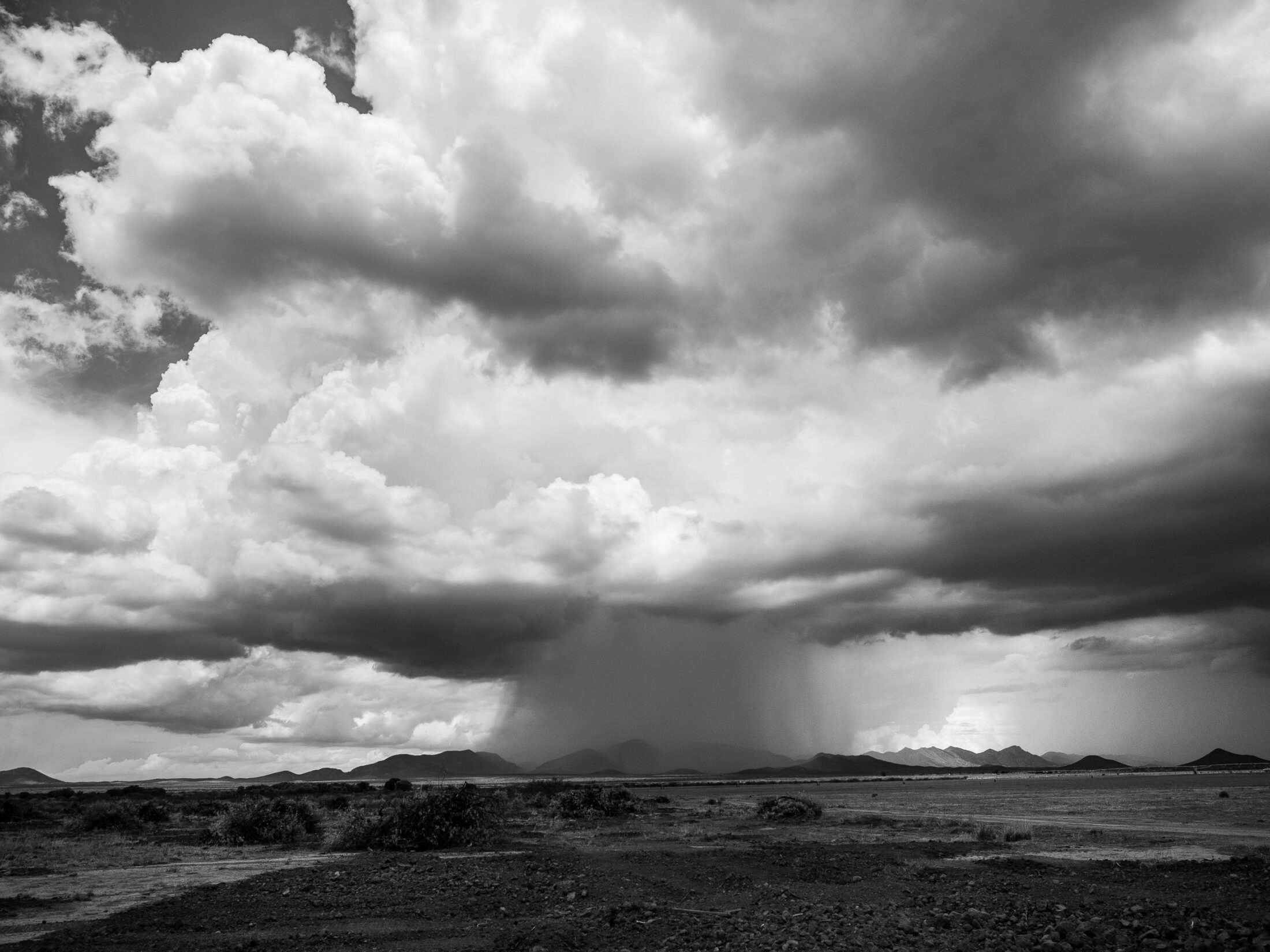
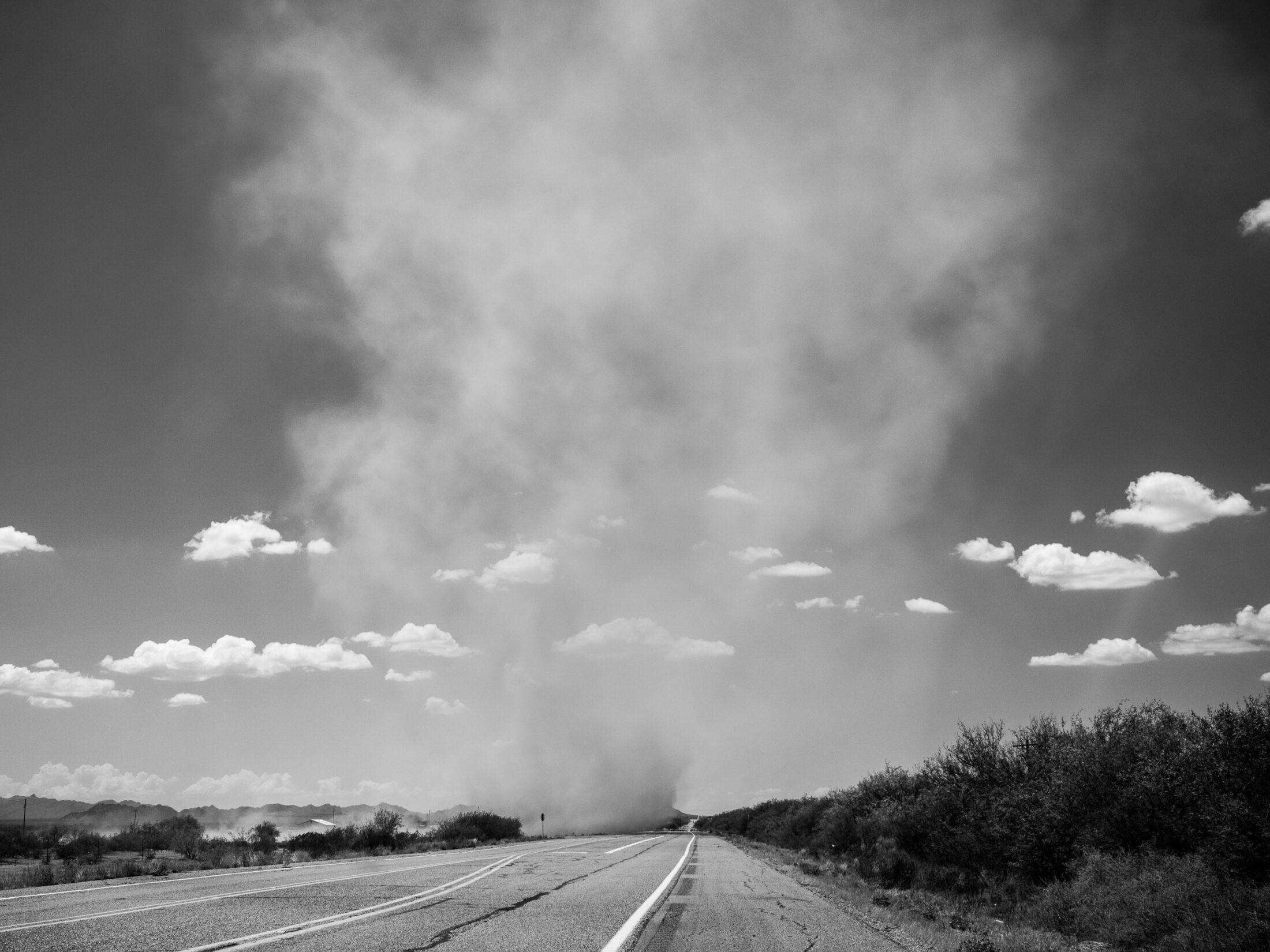
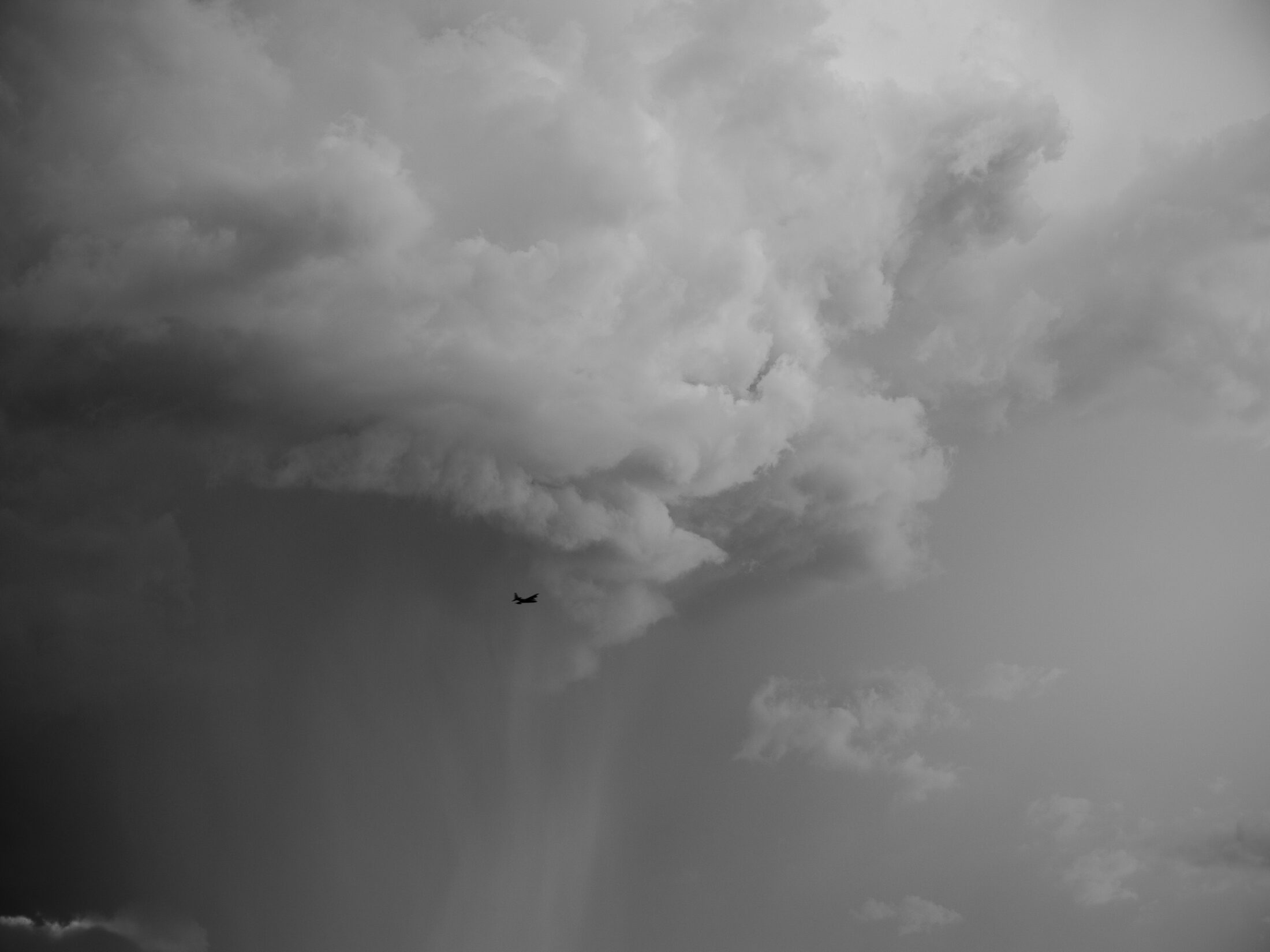
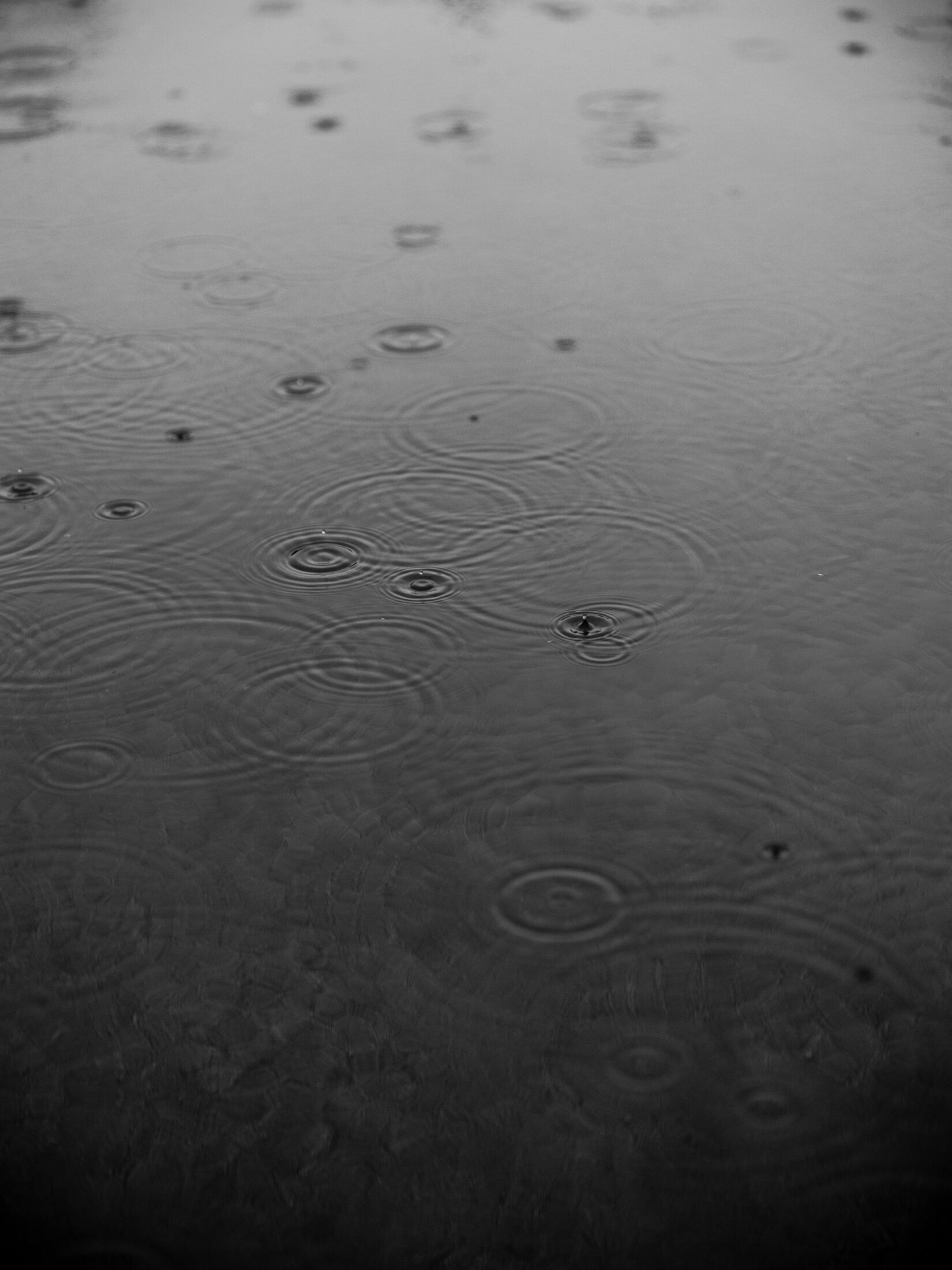
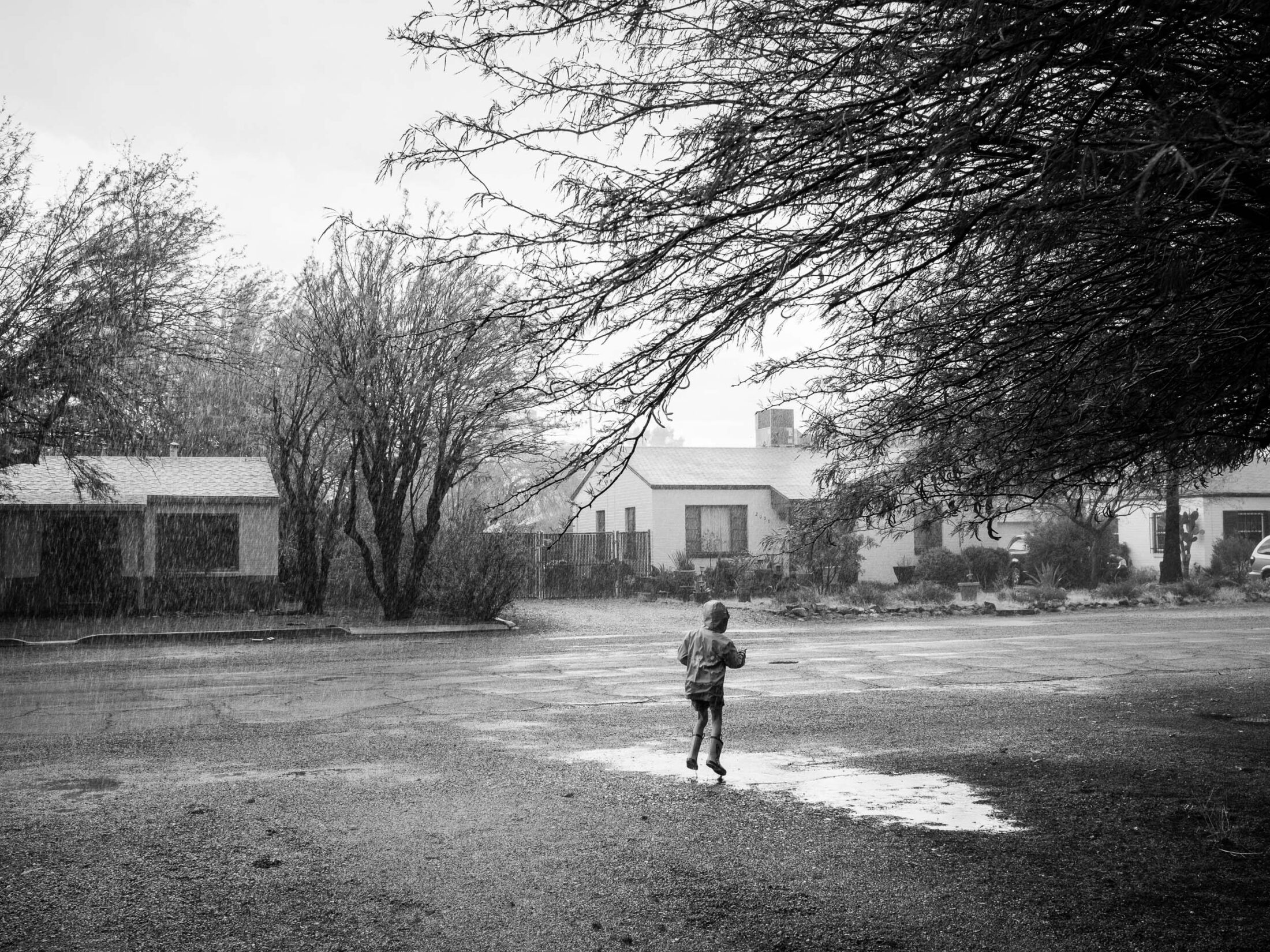
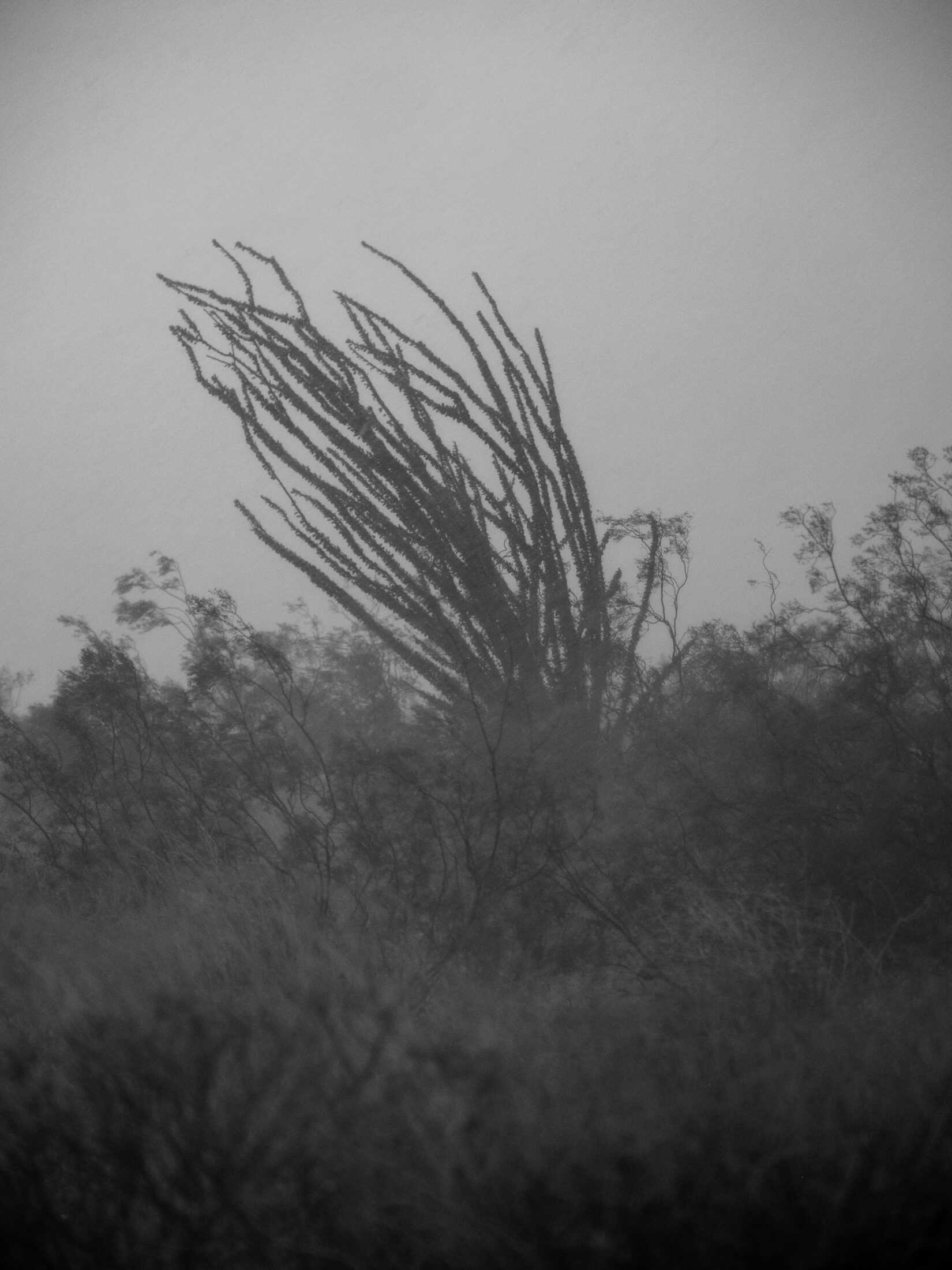
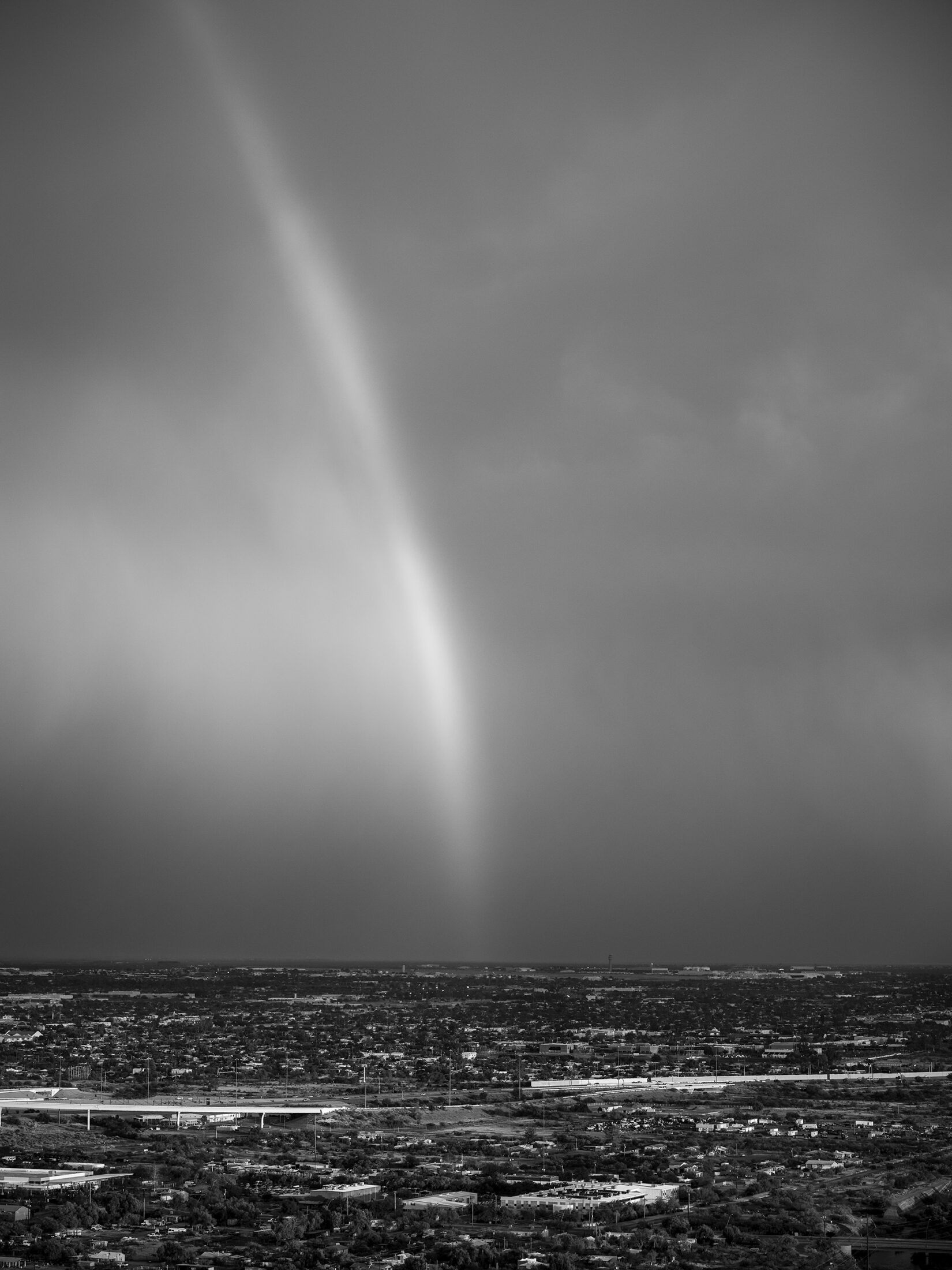
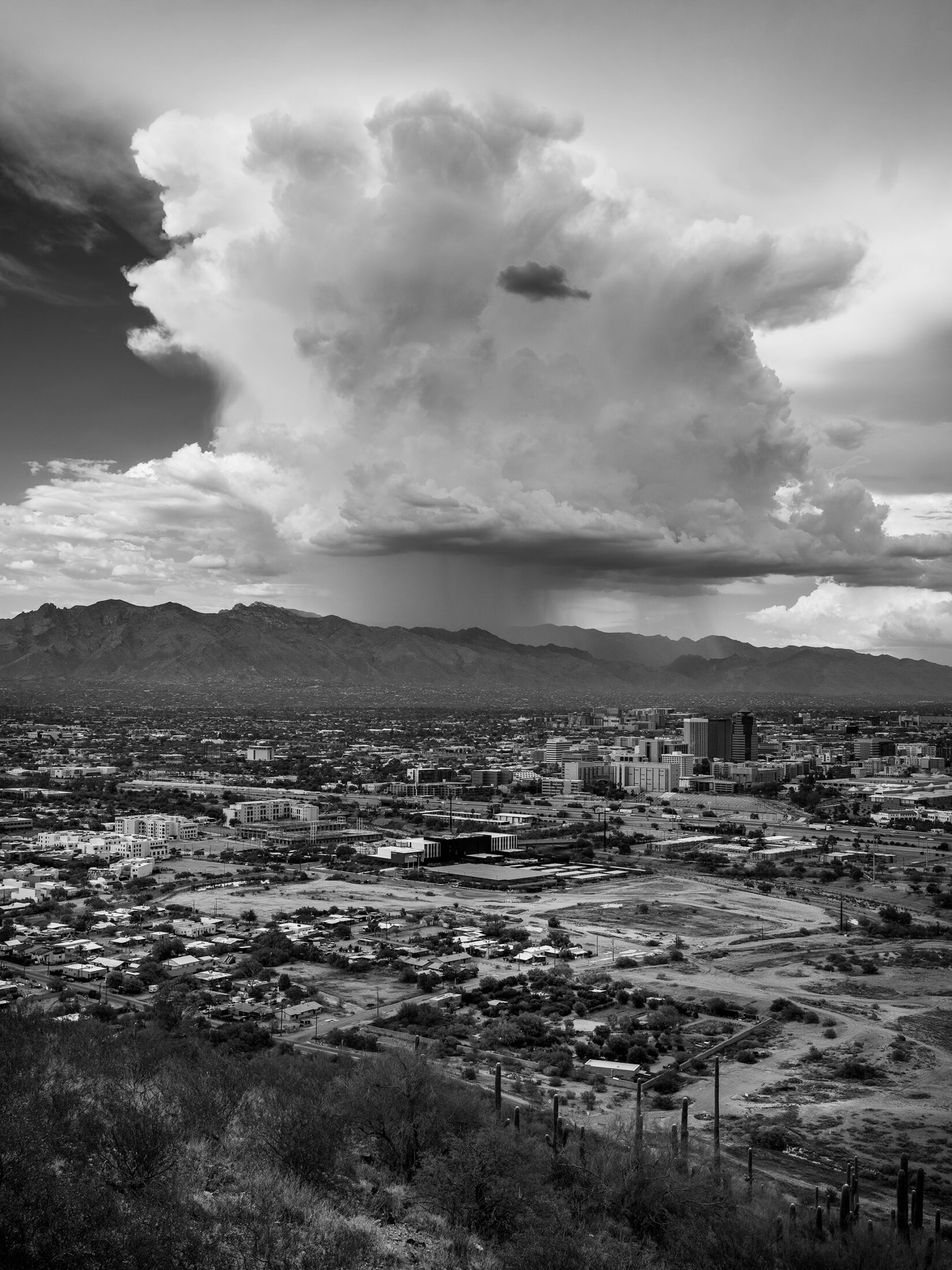
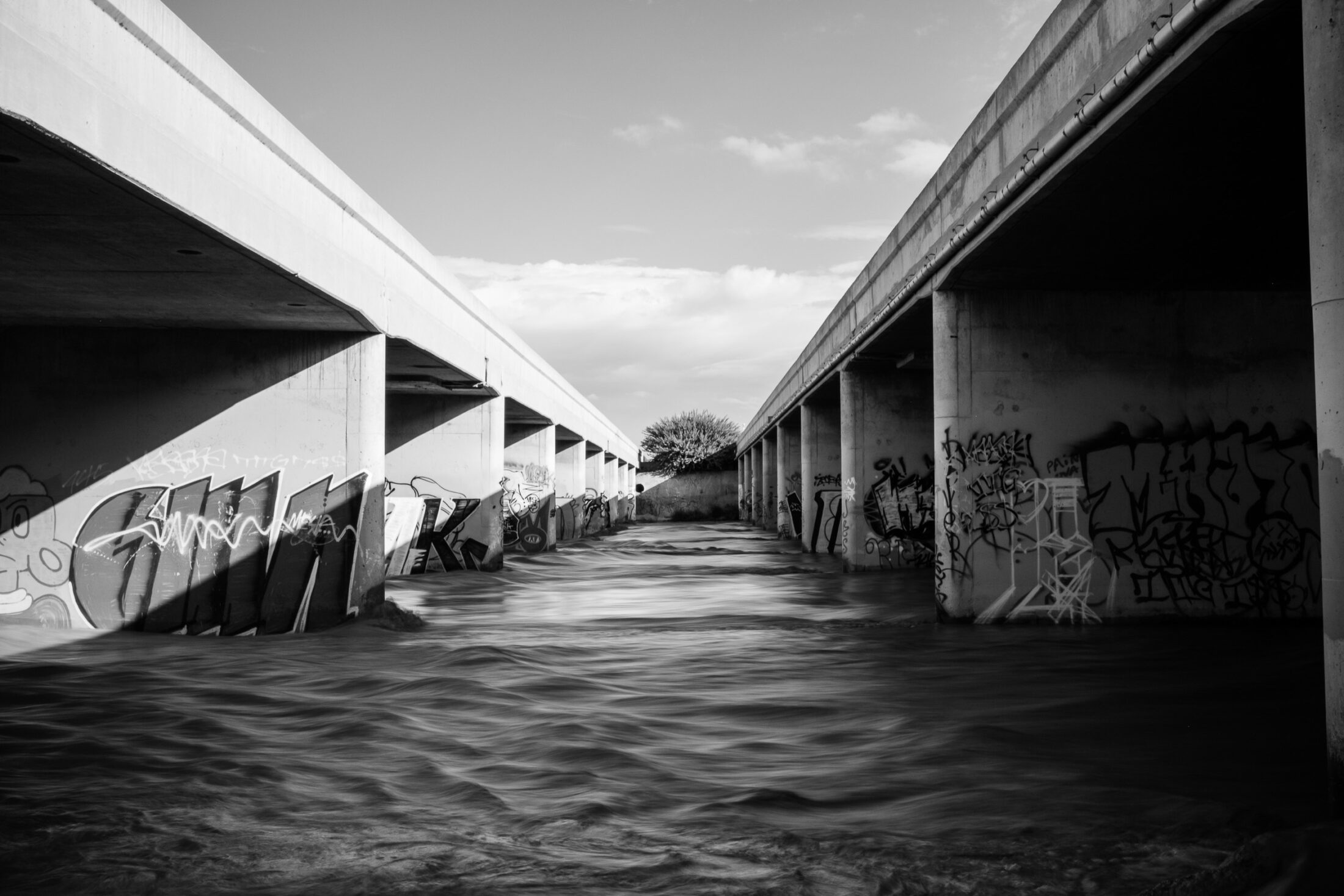
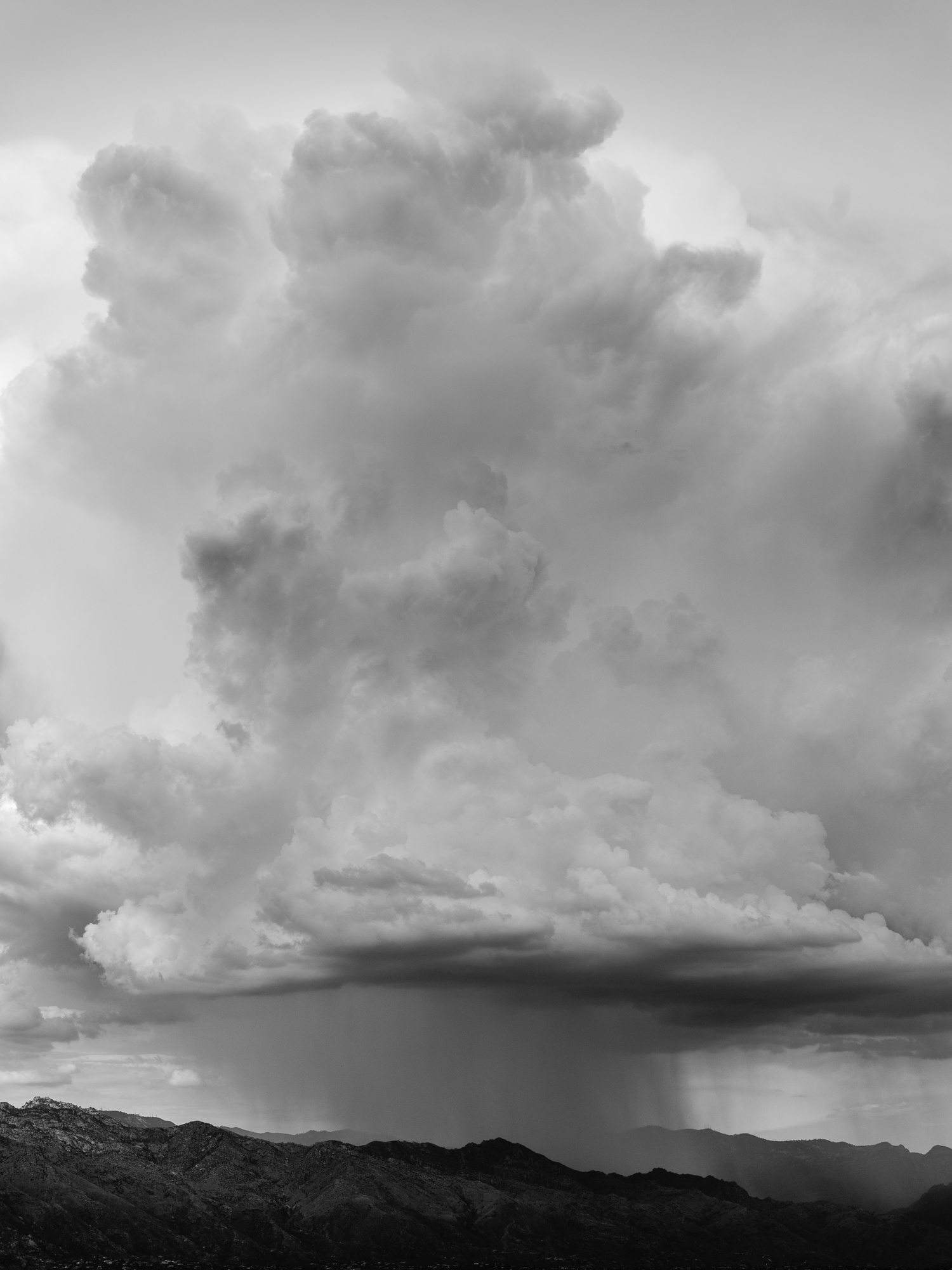
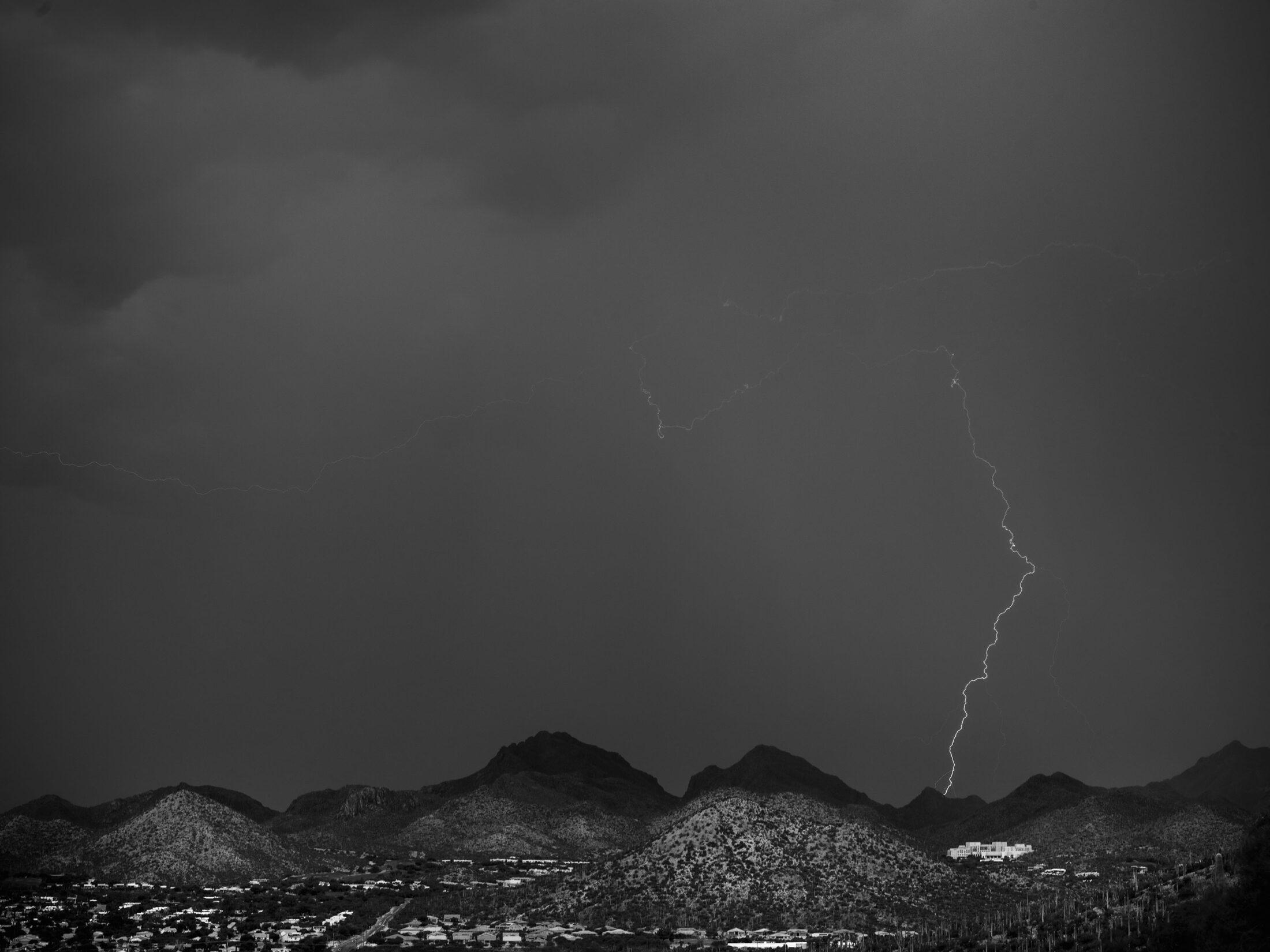
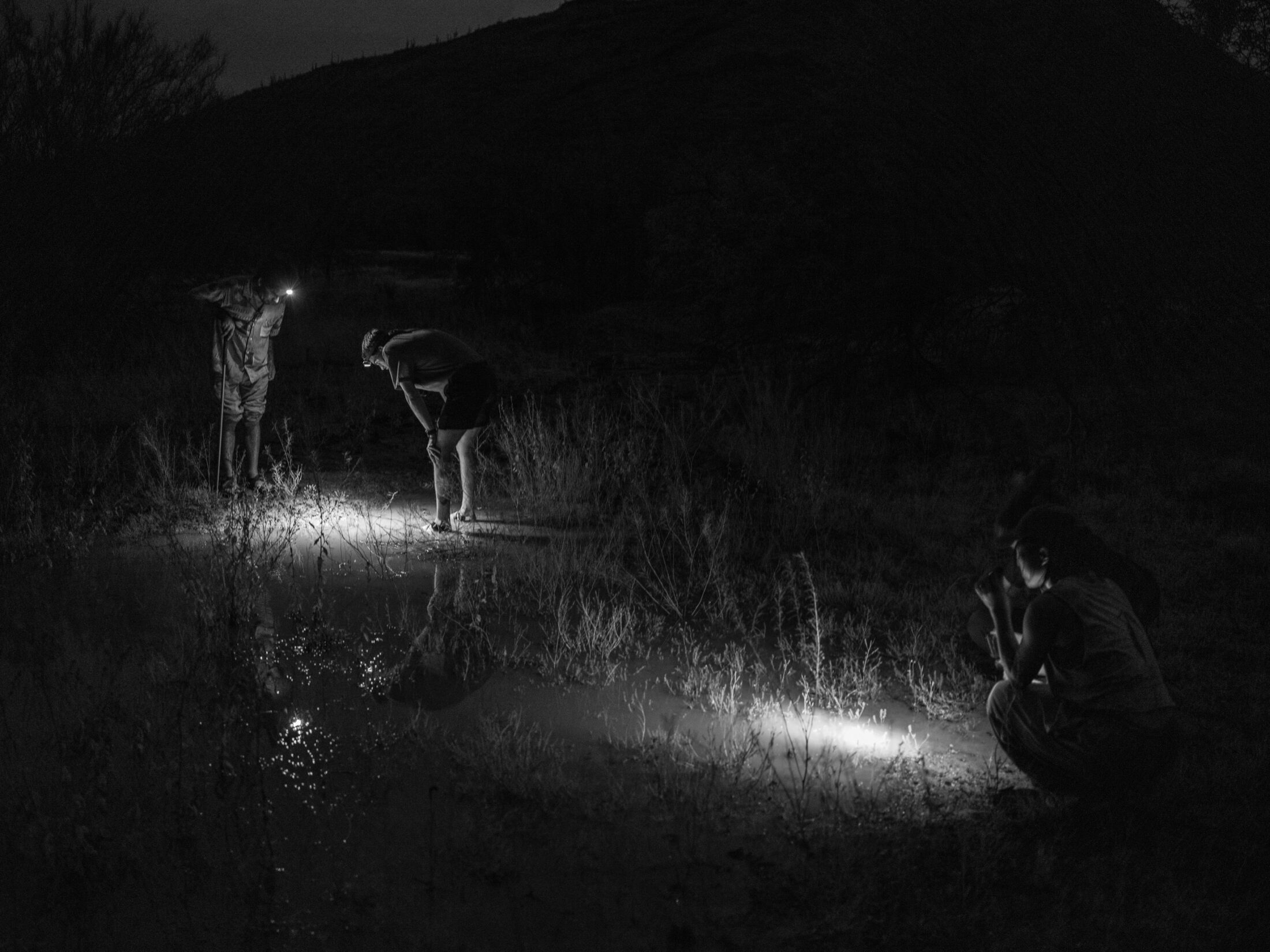
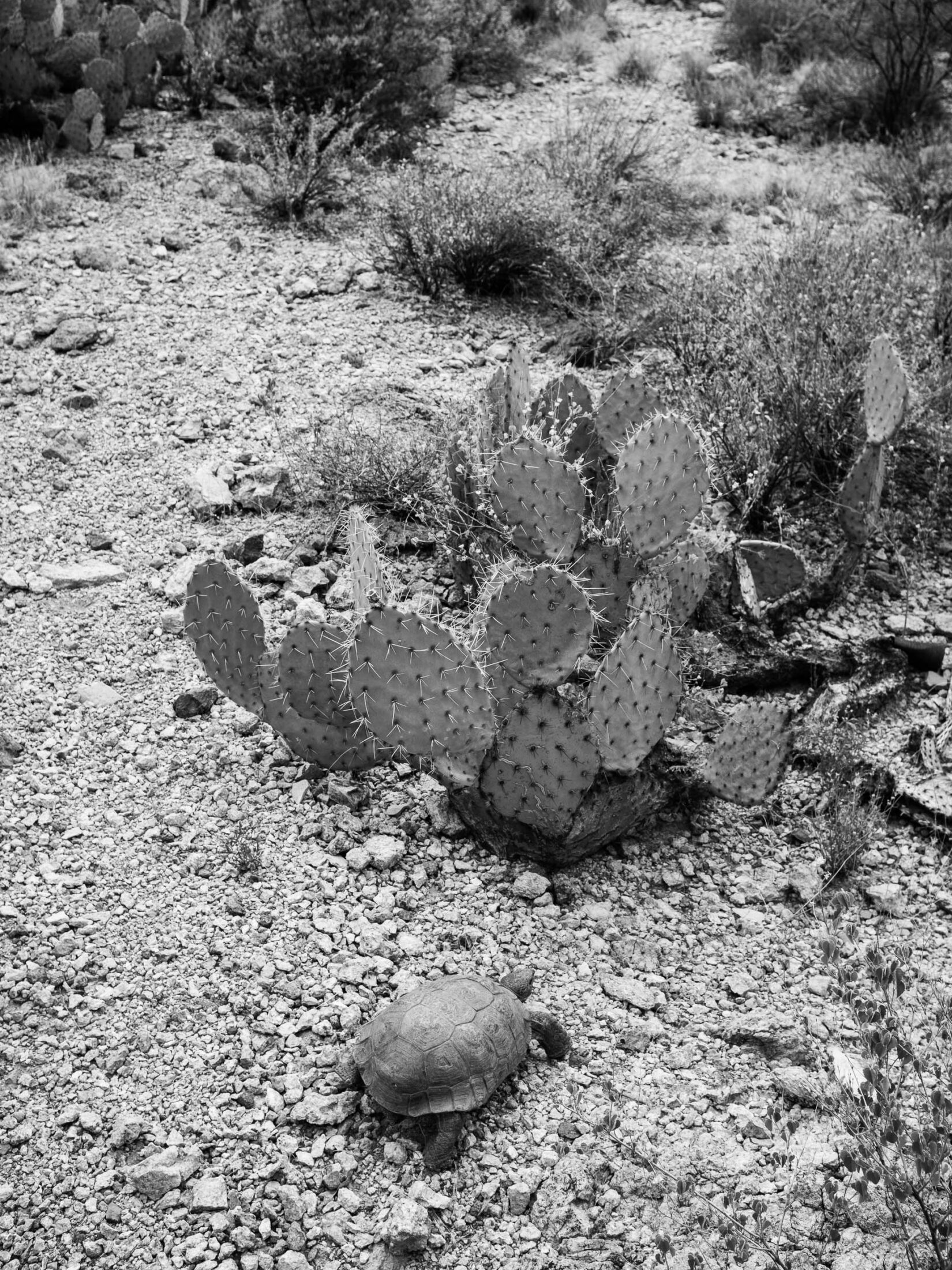
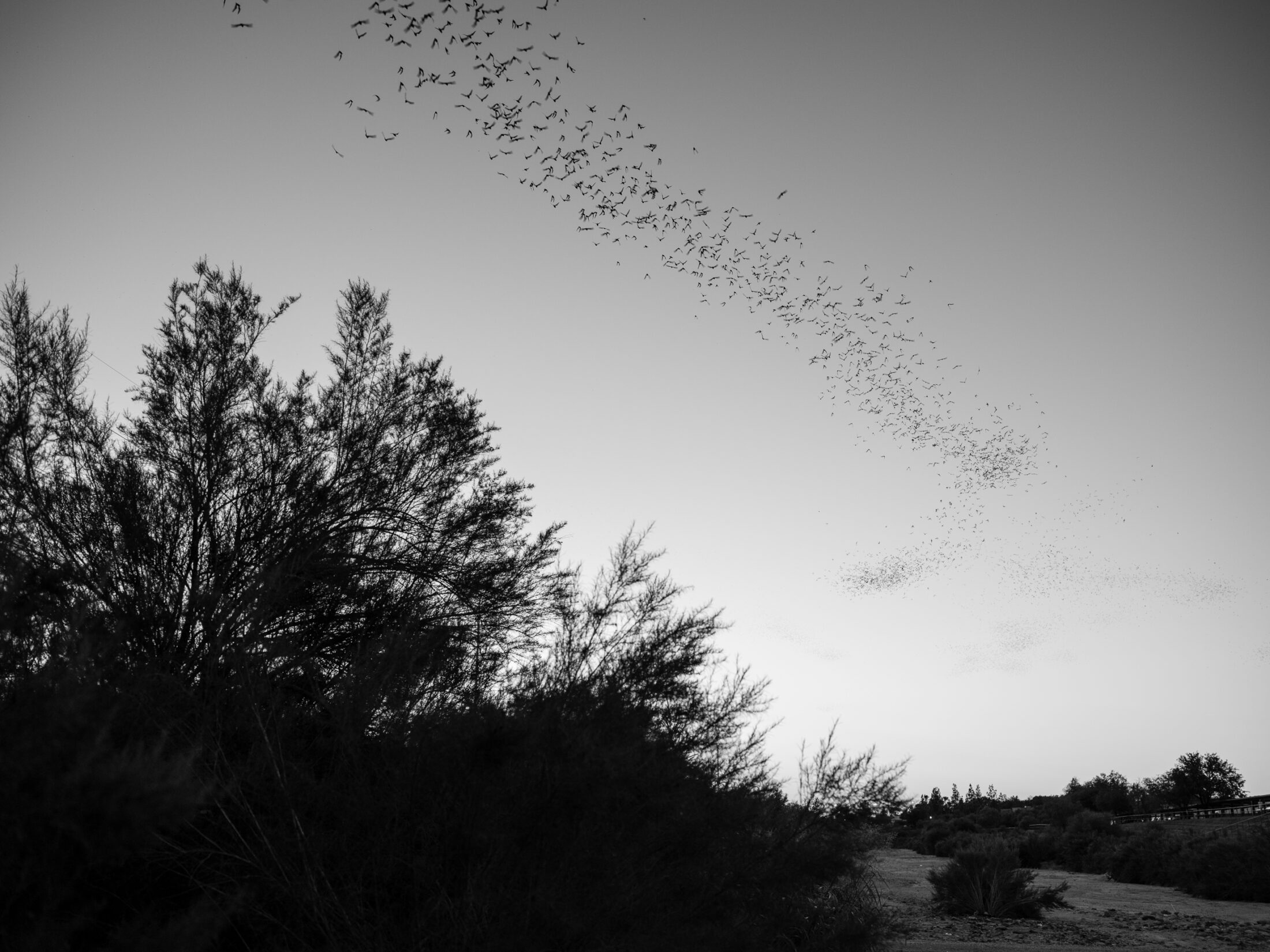
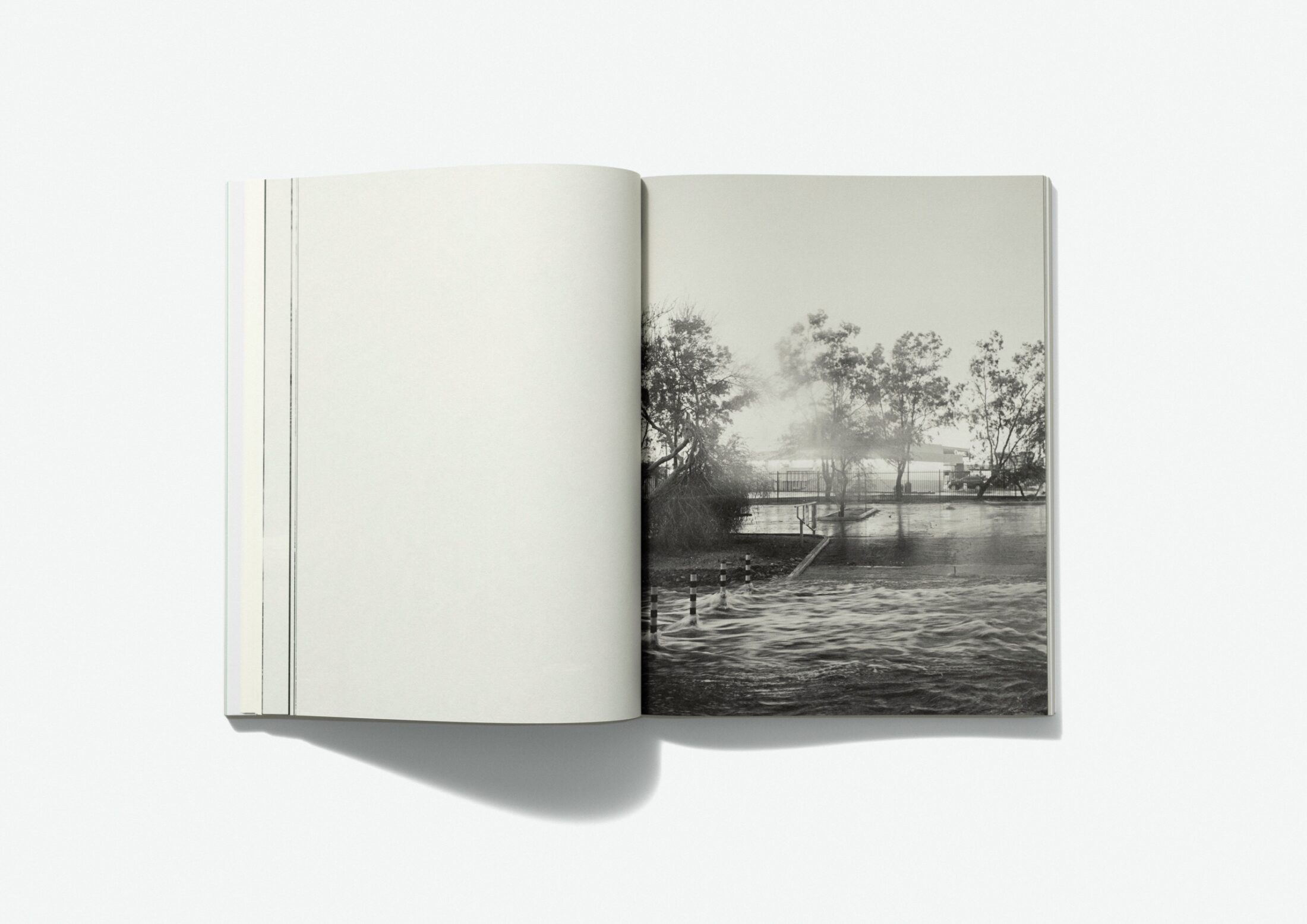
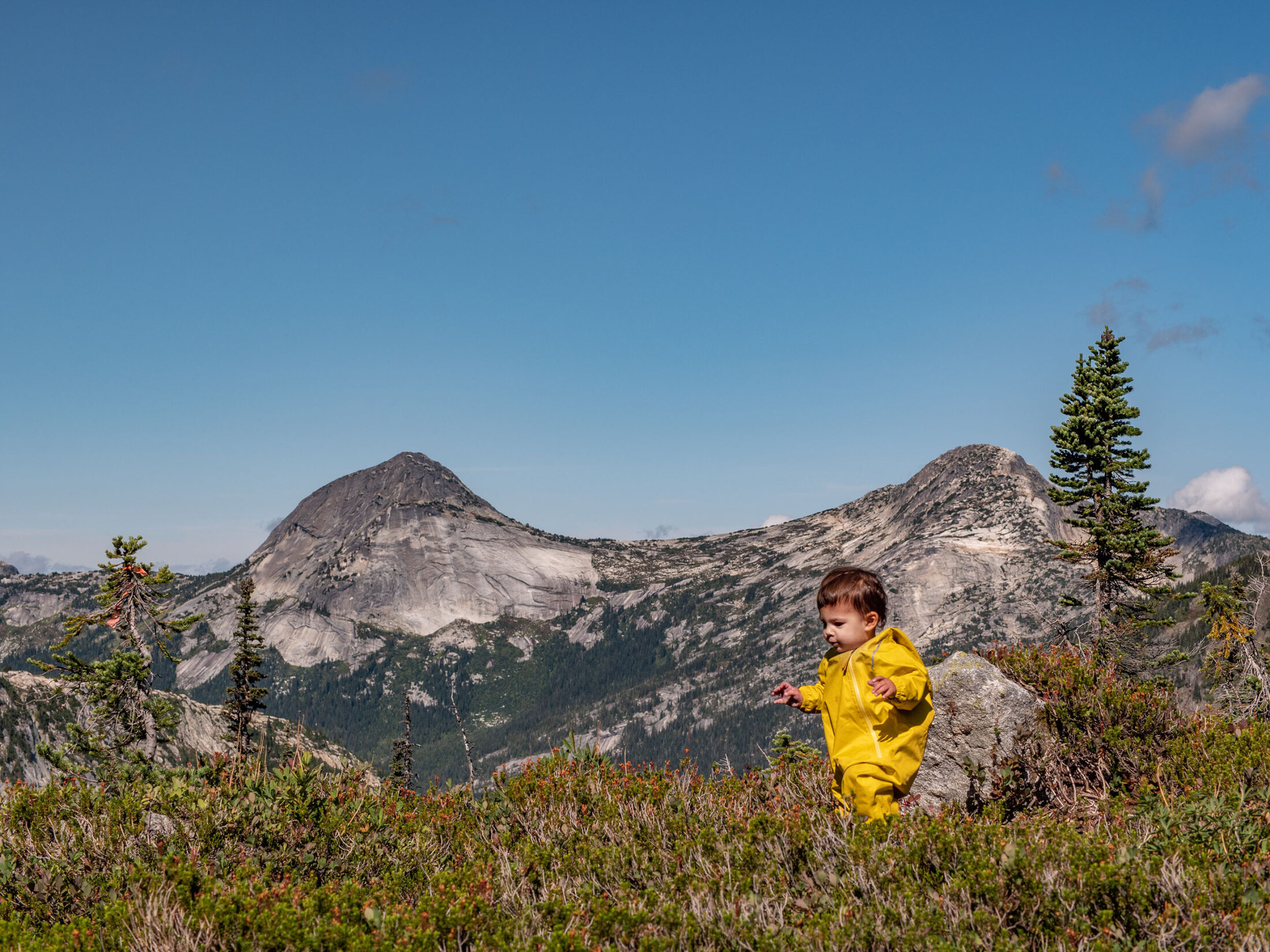
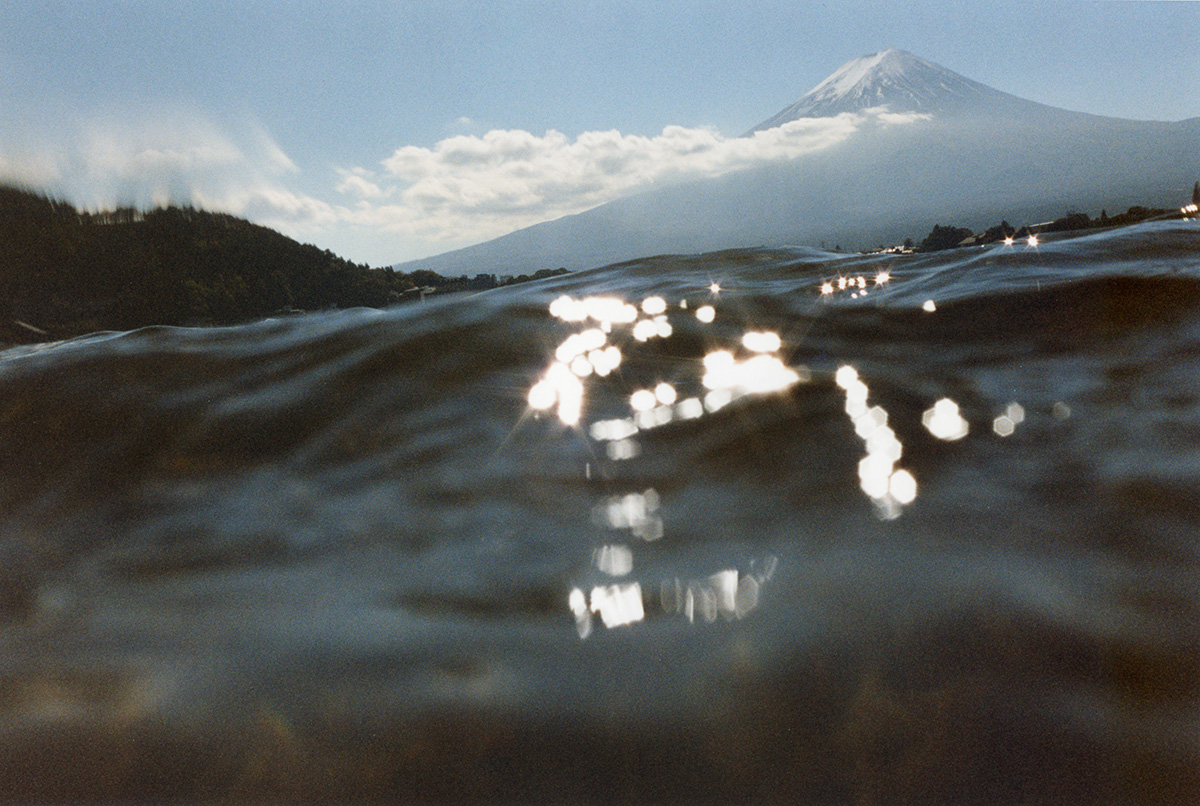
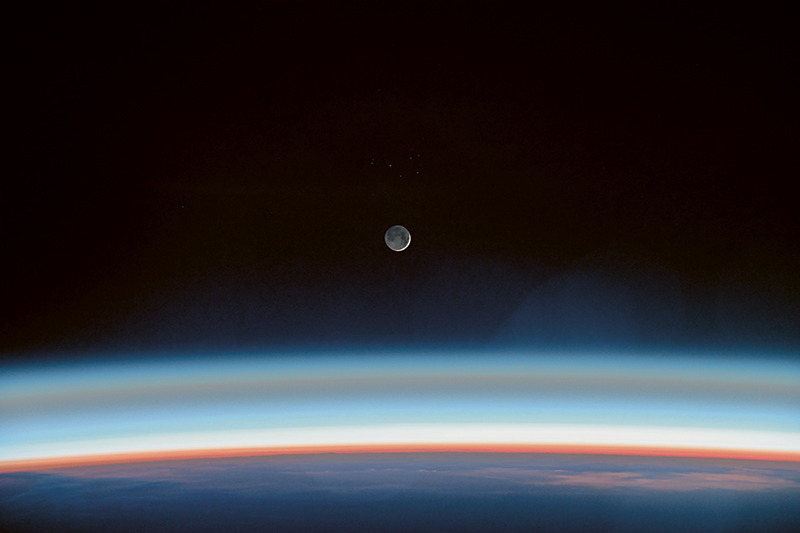
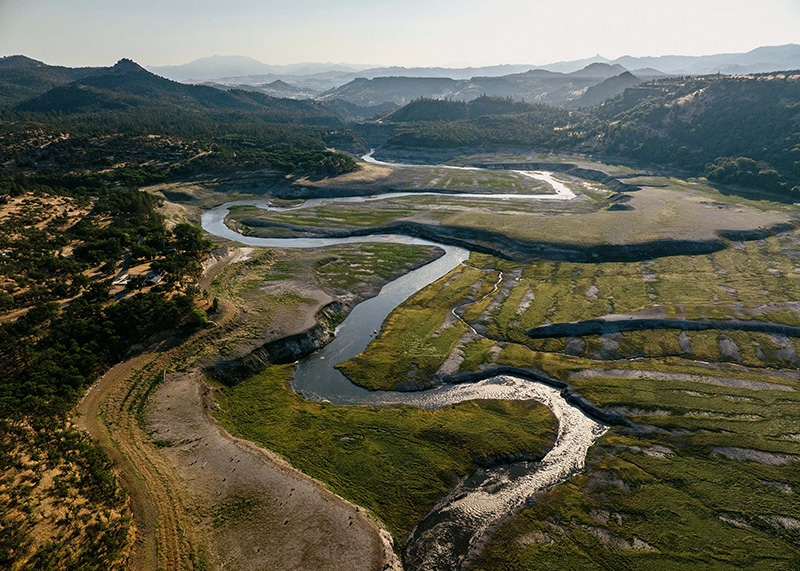
In the Upland Arizona region, we have five seasons: autumn, winter, spring, foresummer, and summer monsoon. Traditionally, for the Tohono O’odham, the arrival of the summer rains marks the beginning of the new year, while according to the western calendar, monsoon season starts in early July and lasts through mid-September. The months preceding the onset of the season are hot and dry, leading to increasing humidity as winds moving in a clockwise pattern bring moisture from the Pacific Ocean and the Gulf of California across northern Mexico and into southeastern Arizona. The atmospheric pressure builds for weeks before, hopefully, the first dramatic storm of the season brings relief, and when the rains come the desert ecosystem seems to almost instantaneously teem with life once again.
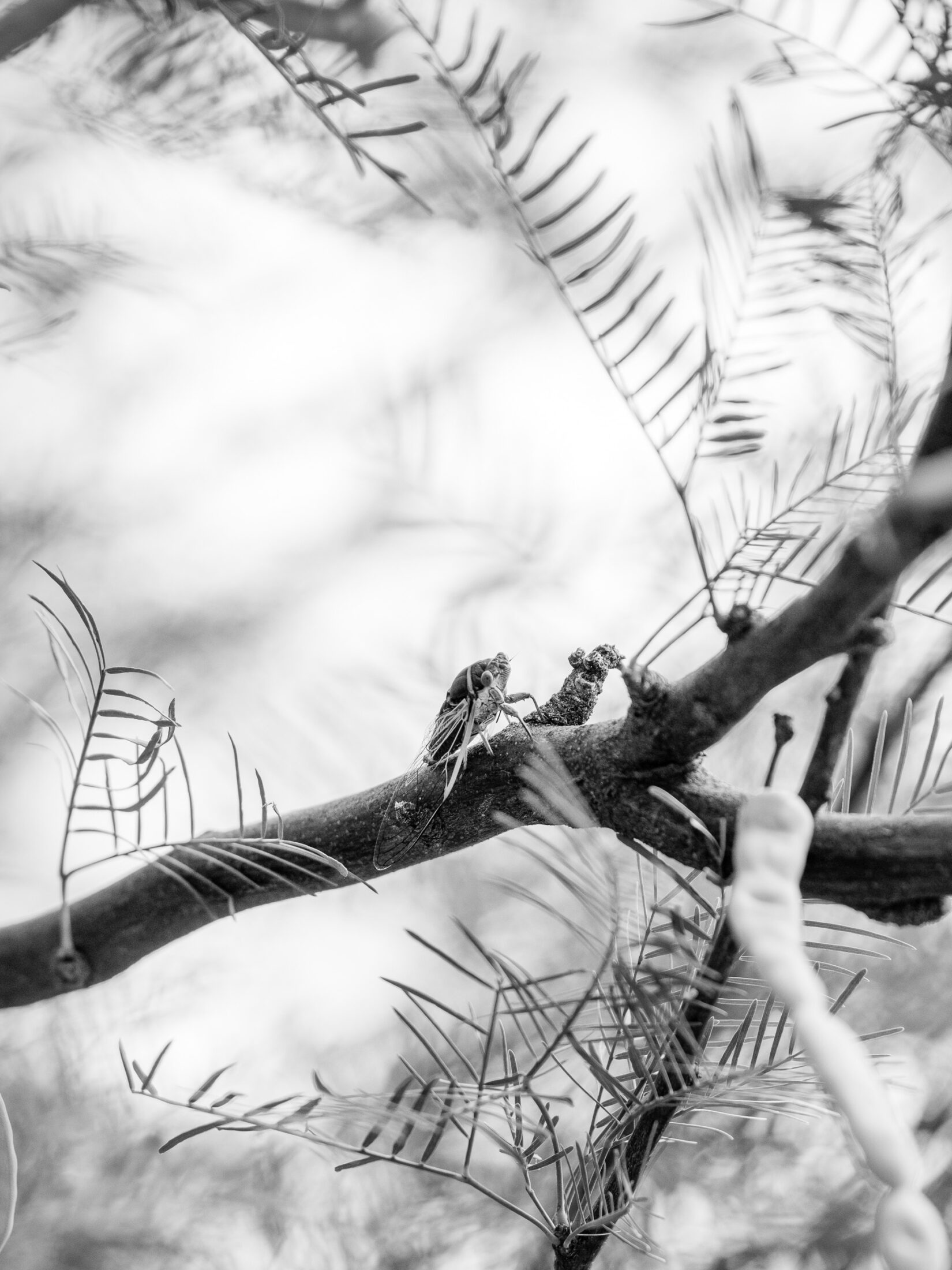
How many plant species might one write off as dead during the dry months, when in fact they are simply lying dormant, conserving resources while waiting for that first storm? How many plants sprout leaves or flowers in response to the torrential downpours that come only at this time of year? Here there are insects that only appear right after a monsoon season rain—their life cycles tied completely to it. The spadefoot toad, too, emerges from underground only after the first rain to lay its eggs in puddles left behind, the tadpoles growing in a race against time before the water disappears in the desert sun.
Like seasons everywhere, the monsoon is becoming more erratic. We all can’t help but wonder what will happen to the desert if at some point the monsoon no longer arrives.