Melanie Challenger researches and writes on environmental history, bioethics, and philosophy of science. Her books include How to Be Animal: What It Means to Be Human; Animal Dignity: Philosophical Reflections on Nonhuman Existence; and On Extinction: How We Became Estranged from Nature, which received Santa Barbara Library’s Green Award for environmental writing. She has written for several publications, including New Scientist, The Guardian, Aeon, Nautilus, and BBC Science Focus, and has participated in documentaries and film for the BBC, CBC, Arte, and ZDF. Melanie serves as deputy chair of the Nuffield Council on Bioethics and a vice president of the RSPCA. She was part of a team who drafted the first Declaration on Animal Dignity in 2024 and is a founding member of Animals in the Room, a project that seeks to expand democratic imaginations to explore how animals can be present, participate, and be represented in the decisions that affect them. In 2025, she became a National Geographic Explorer.
Photographer
Lena C. Emery is a London-based photographer raised in both Europe and Asia. In 2021 she was named a Decade of Change Award Winner by the British Journal of Photography for her contribution to environmental photography, and she is also the recipient of the Flash Forward Award. Lena’s work has been shown internationally and has appeared in Atmos, British Vogue, Dazed, M Le Monde, and Wall Street Journal Magazine, among other publications. She has published numerous books of photography including RIE and Yuka & The Forest.
Photographer
Alex Strohl is an outdoor photographer and filmmaker based between Whitefish, Montana, and his home country of France. He is a Canon Explorer of Light, is on the Advisory Board at Adobe Lightroom, and is the author of the book Alternative Living, which documents people living off-grid in remote landscapes around Europe. His works have been featured in numerous publications and magazines, including Forbes, Vanity Fair, and Gentleman’s Journal.
While more-than-human beings adapt to ecological changes like earlier springs by adjusting their rhythms and behaviors, Melanie Challenger asks, can we learn from them how to bring our bodies into a more direct conversation with the seasons?
IT IS LATE FEBRUARY, several weeks from springtime, and my body is being rocked gently inside a narrowboat on the River Cam. The yellow curtains are drawn, thick and textured like layers of pressed pollen. I’m only half awake. My husband is sleeping fitfully beside me on the three-quarters bed built into one side of the boat. Instinctively, I rest my hand on my abdomen. Lodged deep in my womb, the cells of my first son are multiplying, drawing off nutrients and energy to support growth, intertwining the substance of our bodies.
On this late winter morning I am unused to the idea of being pregnant and uncertain what the future holds. Before long, worries draw me from the night’s rest. Slowly and carefully, I slip from under the duvet and tiptoe into the sitting room. I take my quilted jacket from the peg, pull it over my pyjamas, and open the doors.
Once outside, my senses split open and the river’s elements rush in. The air is sharp as vinegar. Wind froths the waters at the earth’s edge. Nobody is about—or at least, no other humans. One of the neighborhood cats in our boating community is stalking. A swan sails distantly, mid-flow, with the muscular sheen of an egg. Otherwise, there’s no one in view and I close my eyes, lift my chin, and savor the quiet.
Thoughts rise and fall. Am I ready to be a mother? What will happen to my work, my freedom? The landscape is silent. It has no answers.
I begin drifting through memories of the past few months. Not so long ago, I was standing on the Perspex-hard surface of a frozen lake in an interminable dusk. Joavie, one of the community elders of the Arctic town of Pangnirtung, was showing me how to fish in the ice near a place where he remembered summer camps from his boyhood. There was a polar bear, roaming alone, somewhere nearby. We had seen fresh prints. But she did not show herself, a ghost on already haunted grounds.
In my mind’s eye, I see Joavie smiling at me, at my pathetic efforts to ice-fish. It is all so easy for him, as elemental as the swan’s river glide. This is how he survives in a landscape at the very edges of what is possible for our species. Cut the hole. Drop the line. Trust the tug and whip the fish out of its elements into air so terrifyingly cold that the animal is dead and icestruck before it touches the ground. Gut it, throw it on the makeshift stove, and eat it fresh, the heat of the meal flowing like a summer river inside.
I am remembering all this and how the scene is ingrained with sadness, at the loss of his people’s way of life, at the phantom of climate change that threatens to introduce an endless spring in the Arctic. At the epidemic of suicides in the town.
Then someone nudges into the real landscape before me, bringing me out of my thoughts, returning the memories to the ice-world where they belong. It is the clerical face of a common coot. I see their beak first, the chalk of their brow. What strikes me as I watch them is their diligence. Something in the directedness of the flow. They are up to something. I keep watching as they tug in and out of the vegetation along the riverbank. Before long, it is clear. They are building a nest. This shocks me. It is only February. According to my calendar, it is nearly a full month until the official start of spring, and my hands are braced by cold.
I continue my silent observation as the coot continues their careful labor. There doesn’t seem to be much discretion when it comes to the choice of nesting materials. I see them carry what look like brambles. I see wilting reeds, some sticks that a more discerning dog would discard, and what appears to be a plastic straw. But who am I to judge?
After a while, the chill defeats me and I head inside to light the stove and make a cup of tea. It is lovely to be back in the warm interior of the boat. I open the curtains in the sitting room, the river pixelated by condensation on the panes. It is then that I notice another quiet messenger—a spider has spun her web on the lefthand side of the window. During winter, the spiders recede from view, tucked away, I presume, somewhere dark and neglected by us. But here she is, optimistically visible, thrumming on her glittering mesh, awaiting a meal.
This sets me thinking. If spring gets its name from the first appearance of something, the “act or time of springing or appearing,” the “springing time,” the springing of the leaf, then the spider and the coot are heralds. But it doesn’t feel like spring yet to me. What do the coot and spider know that I don’t?
Let’s leap forward more than a decade from this moment to 2022. It is February. The child that was growing in my womb is now on the brink of becoming a teenager. I am only just managing to revive my professional and intellectual life after a beautiful extended winter raising two young sons. My days have now cracked open with the possibility of research and writing. One of the papers I have been reading is by a professor of environmental systems analysis at Cambridge University. His team have released a report on UK records of springtime. The headline is that spring now arrives on average a month earlier than it did in the 1980s.
The lead author of the report, Ulf Büntgen, and his team analyzed records and observations spanning 250 years of the first flowering plants after winter in the UK. They found that species’ flowering times vary most according to fluctuations in temperature but that there’s been a marked shift towards an earlier spring since 1986, as defined by the “springing time” of wildflowers.
A year or so earlier, a report from the UK’s Woodland Trust had also highlighted a trend towards earlier springs, using a wider set of indicators from the spawning of frogs to sightings of birds nesting (like the Cambridge coot). And the effect hasn’t been limited to the UK. Many countries and regions have been reporting signals of earlier springtimes, most often using the first leaf and blooms of certain plant species as measures, like lilac and honeysuckle. In these reports, then, spring is determined by “phenology,” the life history strategies of plants and animals and their interactions with the environment.
Yet for many of us humans living in postindustrial countries, spring is marked on our calendars according to the equinox—when day and night are roughly the same length. This mismatch between spring as a feature of the living world and spring as a date that we timetable is, in part, a function of the severance of human societies from the natural rhythms of the environment on which we depend.
As most of us live within controlled interiors, where temperatures are kept at a season-free norm of around 20 degrees Celsius (or 68 Fahrenheit), and where artificial lighting and curtains extend or contract the hours of day and night, we rely on an ephemeris to tell us that spring has arrived rather than the direct interface of our skin cells with the environment beyond us. This muffling effect on our bodies is amplified by a growing distance between us and other living beings in our communities. A survey in 2016 found that one third of children spend less than thirty minutes playing outside a day. While the pandemic caused a hike in the number of hours that adults spent outside in nature, follow-up surveys suggest that this effect is already beginning to wane. Today, over fifty percent of all Americans put in less than an hour a day out of doors. This can only increase as we steadily turn over the real to the artificial, exchanging wilderness in the truest sense (which is to say, that which is its own, irreducible to utility) for the virtual and fabricated.
And so, most especially in modern, urban, hyperconnected environments, humans have become an indoor creature. This has been dubbed the “inside epidemic,” but it has impacts beyond the obvious ones we might expect on our physical health and well-being. Spending most of our time in controlled, human-designed spaces also dramatically reduces our direct knowledge and experience of other living beings. And, increasingly, it leaves us vulnerable to knowledges of a dubious or unknown provenance: the hiss of disinformation, the commodification of unverified, uncontextualized ideas. The effects of this are harder to track but no less significant. On either side of the most vocal discussions around climate change, for example, is often a shocking narrowness of thought, and sometimes a willful distortion of knowledge.
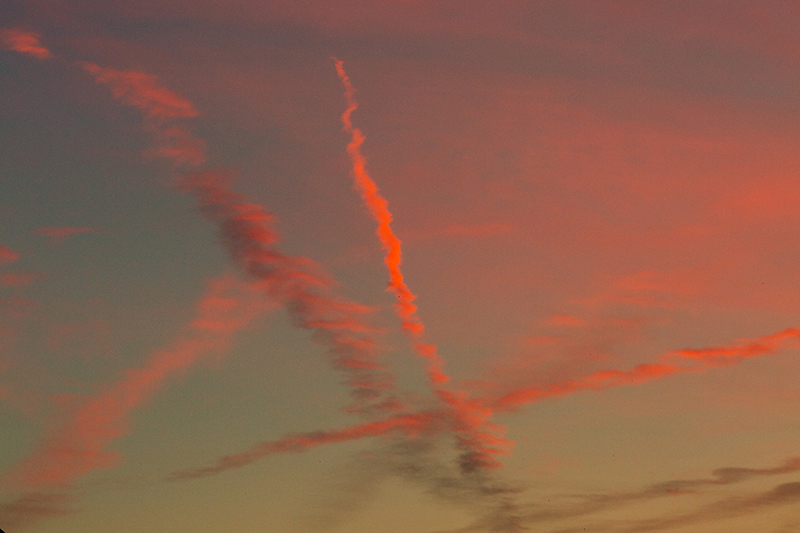
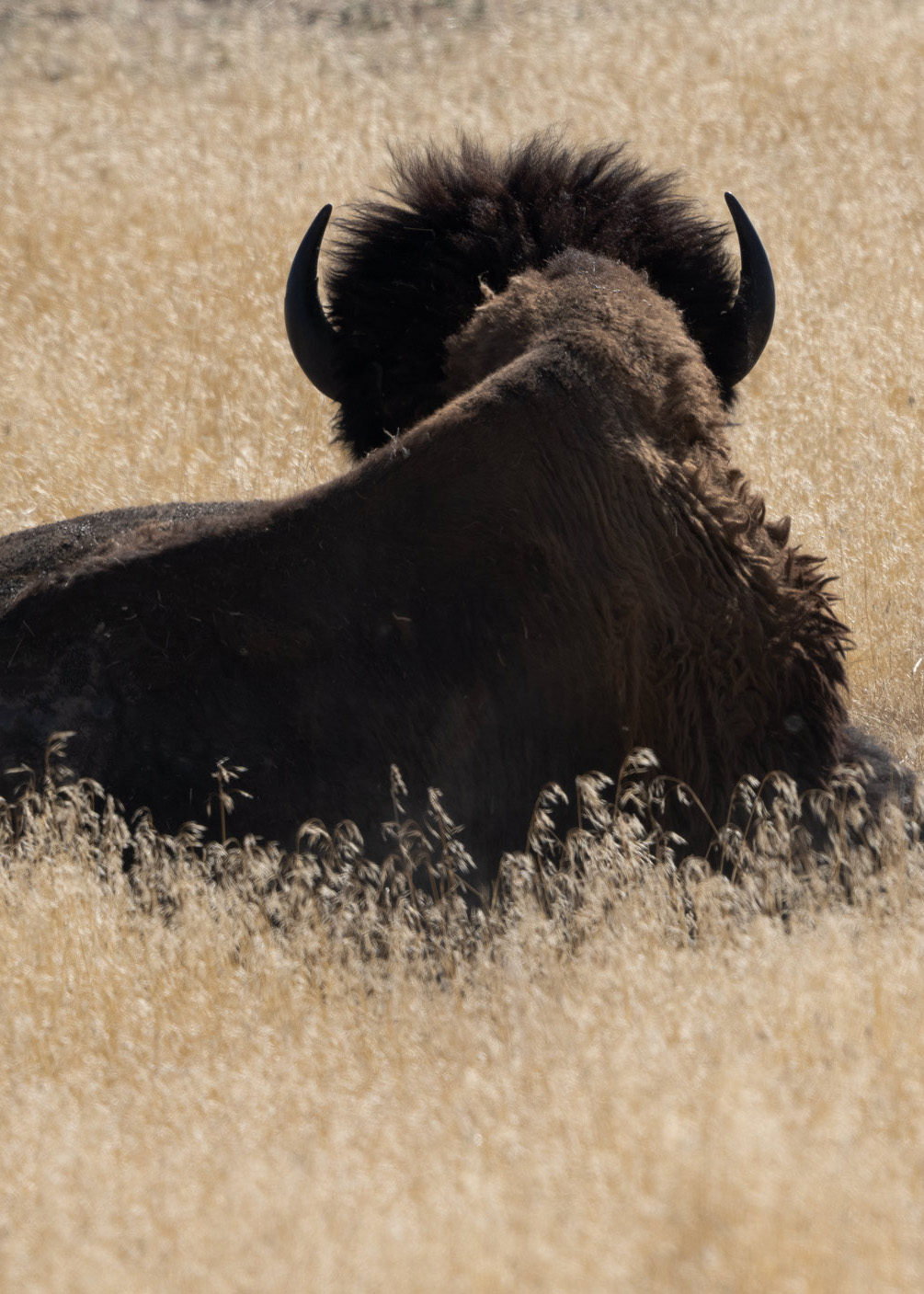
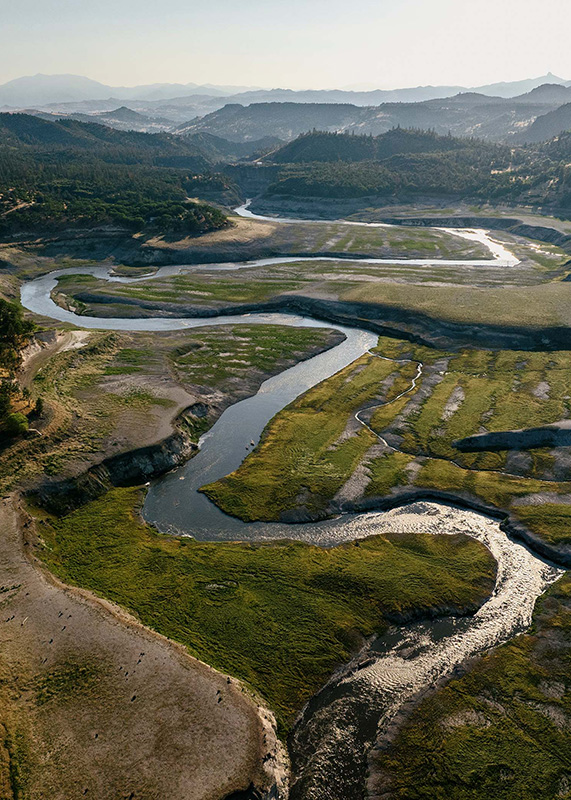
Photo by Alex Strohl / Verb Photo
And I think back to Joavie again. He had grown up close to nature, in constant communication with it. It is hard for someone who has never been to such places to properly appreciate how insulated many of us are in the postindustrial countries of the world from the environment and its realities. But in a place as fierce as the Arctic, there’s no freedom to detach. Cold and hunger will come at you regardless. As such, Inuit in the Arctic were some of the first people to warn us about climate changes through their direct witness of a shifting world. Yet despite the opportunity offered by these sentinels in the North, their experiences didn’t provoke us to respond in a timely way. While I was on the frozen lake with Joavie, in the pearly violet of the winter months, the UN climate change conference was taking place in Copenhagen in 2009. It felt like a big deal at the time, yet here we are fifteen years later and little has meaningfully changed. Our awareness of the scale of the situation has altered. But not our extractive or exploitative behaviors.
Another arbitrary marker of spring is Daylight Saving Time, the moment when the clocks in many of our countries “spring” forward or “fall” back. An artifact of the First World War, daylight saving has less to say about the biorhythms of spring and more to say about how our cultural institutions determine when it’s time to spring. The clock change was implemented as a means to scrimp on the use of coal during wartime, a legacy of a world dependent on fossil fuels.
Meanwhile, among humans, a different kind of life history event is now happening earlier too. My child is going through puberty, a slow and somewhat bewildering phenomenon that unfolds in and across a child’s body, sometimes to their own consternation. There are averages for the onset of puberty, just as there are averages for springing time, and we have known for some years that children, most especially girls, are undergoing puberty much earlier than in previous generations. To date, nobody knows for certain why this should be. One suggestion is that children are better fed, in some cases overweight, and that this is a contributing factor. Another hypothesis, for which there’s also some evidence, relates back to the fact that children stay indoors more than they used to and are thereby chronically exposed to certain synthetic chemicals, from cleaning to beauty products, that act as endocrine disruptors, shifting hormonal patterns. Yet another possibility is that increased stress may be nudging young bodies into blooming early. And so, the so-called “spring awakening” is coming prematurely to the bodies of our children all around the world.
I think about all of this, and it sets my mind spinning. The plants and animals whose actions and priorities give shape to springtime sense the changes afoot, materially and substantially. But they don’t know why things are changing. And so they adapt straightforwardly.
Meanwhile, we humans know the primary reasons climate change and pollution are happening, and that we are culpable for a disturbance in seasonal patterns that is unsettling what we take spring to mean now. And yet we are finding it enormously challenging to adapt. At the risk of being flippant, one might question the worth of our kind of knowledge then, our precious rationality. Good for counterfactuals, maybe. But for direct, positive action?—perhaps less so.
So what would it take to reattach our knowledge of the world to our ability to adapt our behaviors positively? Are there lessons to be found in the springing time?
Spring is not a season, a time per se: it is a form of knowledge.
ONE OF THE CONCERNS of those studying variations in springing time in nature is that organisms that rely on synchronizing seasonal patterns could find themselves diverging from a critical food source or exposed to other novel threats. In other words, so many species are interdependent that seasonal disruptions could threaten these relations, potentially causing sudden declines. This has been raised among scientists anticipating that plants and pollinators, for example, might become drastically uncoupled.
And yet, intriguingly, in many of the studies that have been done to date, there are signs of greater flexibility and resilience among species than might have been anticipated. Most research has focused on pollinators like honeybees. British entomologist Pat Willmer noted that “pollination mutualism is likely to be buffered against climate change” because most plants are generalists and pollinators are distributed across a wide enough area that the effects are more diffuse. She did warn, however, that for specialists or already vulnerable and declining groups of organisms, the added stress of adapting to an earlier springtime could be significant.
Another study found that “even relatively specialized pollinators were much more flexible in their use of plant species as floral resources than their local flower visitation suggested.” Glimmers of hope? Well, yes. But, here again, the authors of the study called for some caution, not only because data can be poor for rarer species of pollinating insects but also because the effects may differ depending on whether the diversity of plants in a region remains intact.
But how does a plant or animal know that an important change has occurred in the environment? And how does information translate through the prism of their bodies into meaningful activities?
For most of human history, it has been impossible to look inside an organism and understand what might be going on at minute scales like those of molecules. But these days we can do it. And, as we move in and out, up or down, in nature, we find different patterns and new insights. It’s heady stuff. At the molecular scale, we can discover some extraordinary capacities to accommodate change in the environment that are integral to a living being. Indeed, it is at the level of the molecules of life that we begin to catch sight of how life-forms “know” when spring is.
In 2013, scientists in California discovered a gene that, when “knocked out” or deactivated, led to considerable delays to flowering in wheat. The gene, named Phytochrome C, changes form when the first reddish lights of a dawning sun hit the plant. This, in turn, sets in motion changes to another gene, Photoperiod 1, which is ordinarily regulated by the plant’s 24-hour circadian clock.
Several years later, a team from the University of Cambridge established that phytochrome molecules, found widely among different species of plants, are not only responsive to daylight changes, but completely alter their function to act like “thermometers” at nighttime. In simple terms, this works because the molecules alter their states in response to temperature shifts. In one state, they inhibit genes that encourage growth, and in another they “release” the genes, allowing growth to continue. The advantage this offers the plant is that the change in state of the molecules stimulates the growth, rather than simply a set of “instructions” within a gene for a particular seasonal pattern. This means that plant growth of this kind isn’t “directed” by the gene in some rigid way, but rather the molecules within the plant work holistically and flexibly so that growth follows from what the season happens to be like, moment by moment. Springing time, then, begins through a direct interaction between the season and the dynamic body of the plant.
For the researchers, this discovery was hailed as an opportunity to “accelerate the breeding of crops resilient to thermal stress and climate change.” But for many of us, what intrigues is the capabilities of the plants. When we consider how plants adjust to changes in their lifetimes, we might ask whether we humans would be as flexible and resilient in the face of climate change as the species around us. Contrary to widely held beliefs, brains and nervous systems, while hugely important, are not the only ways that life-forms can know something about the world and respond meaningfully. Organisms are not only made up of separate organs, but they are like superorgans themselves, a functional whole within which no part can or should take priority, and whose primary function is not to survive but to know how to. Living beings are like organs for purpose.
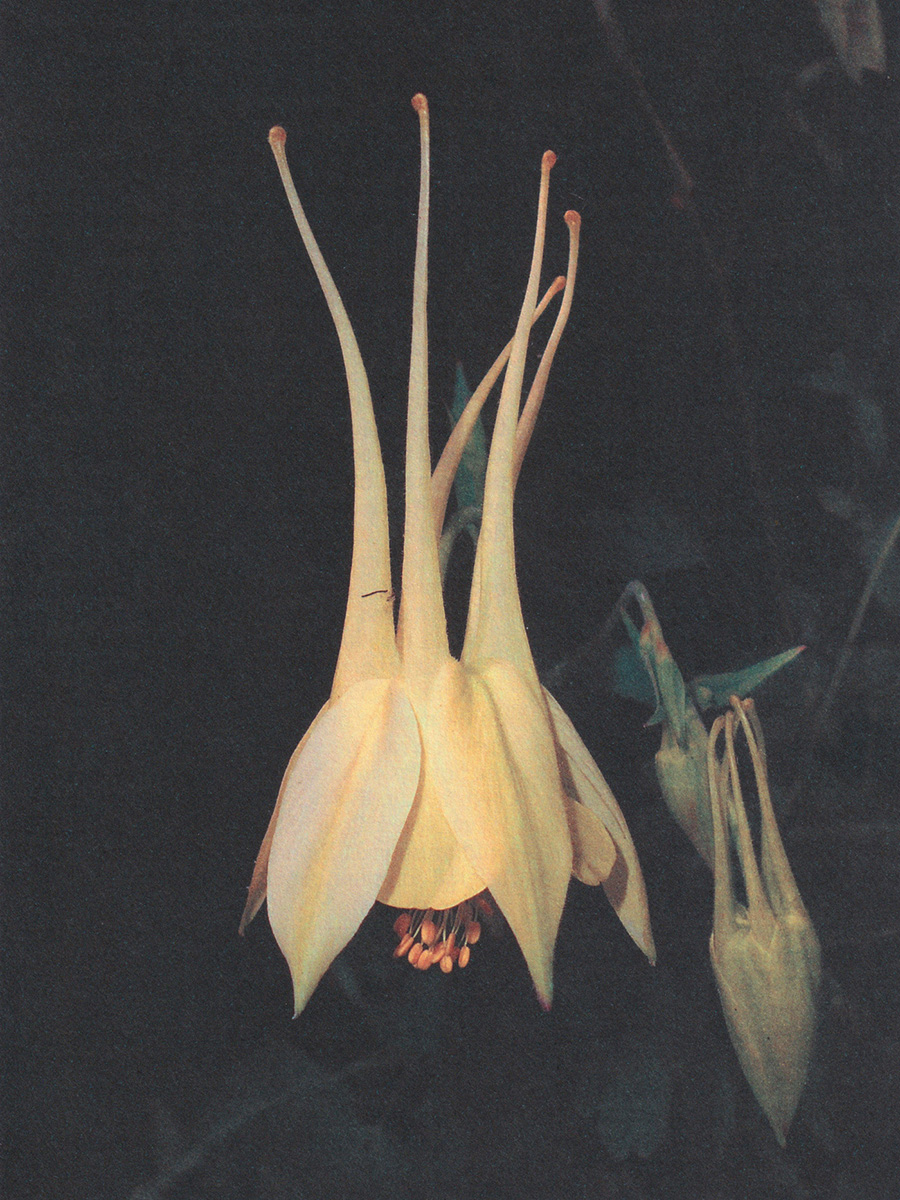
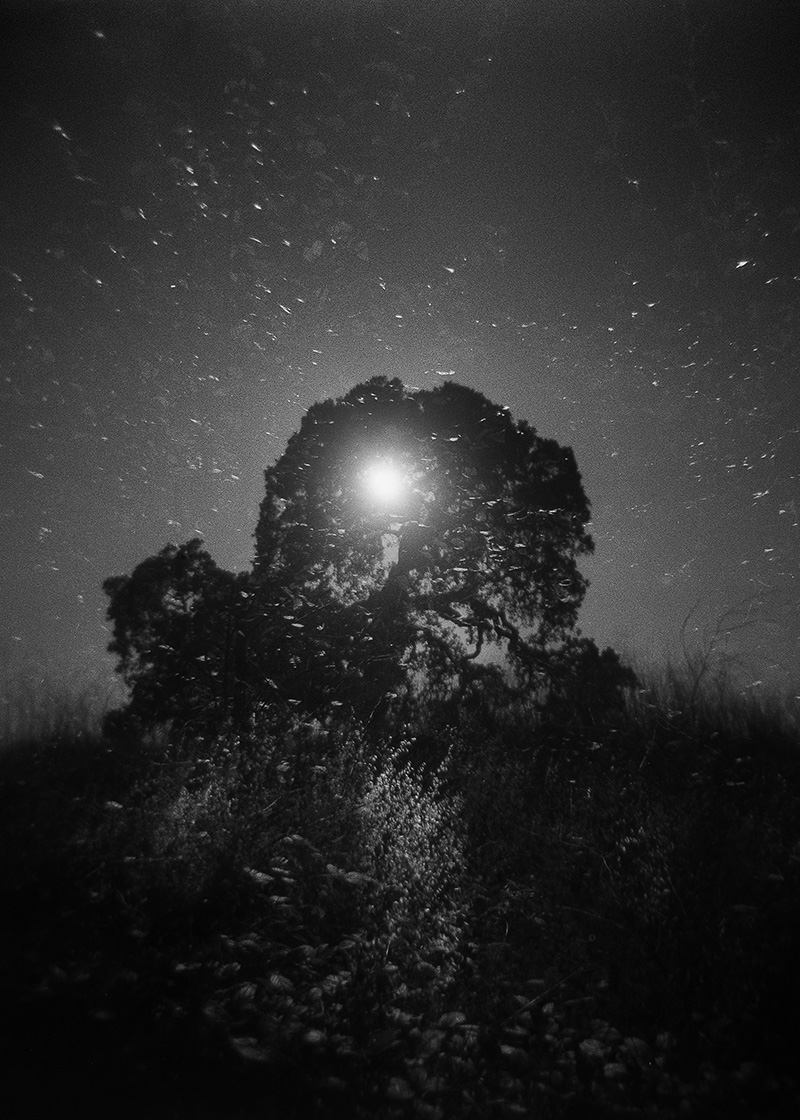
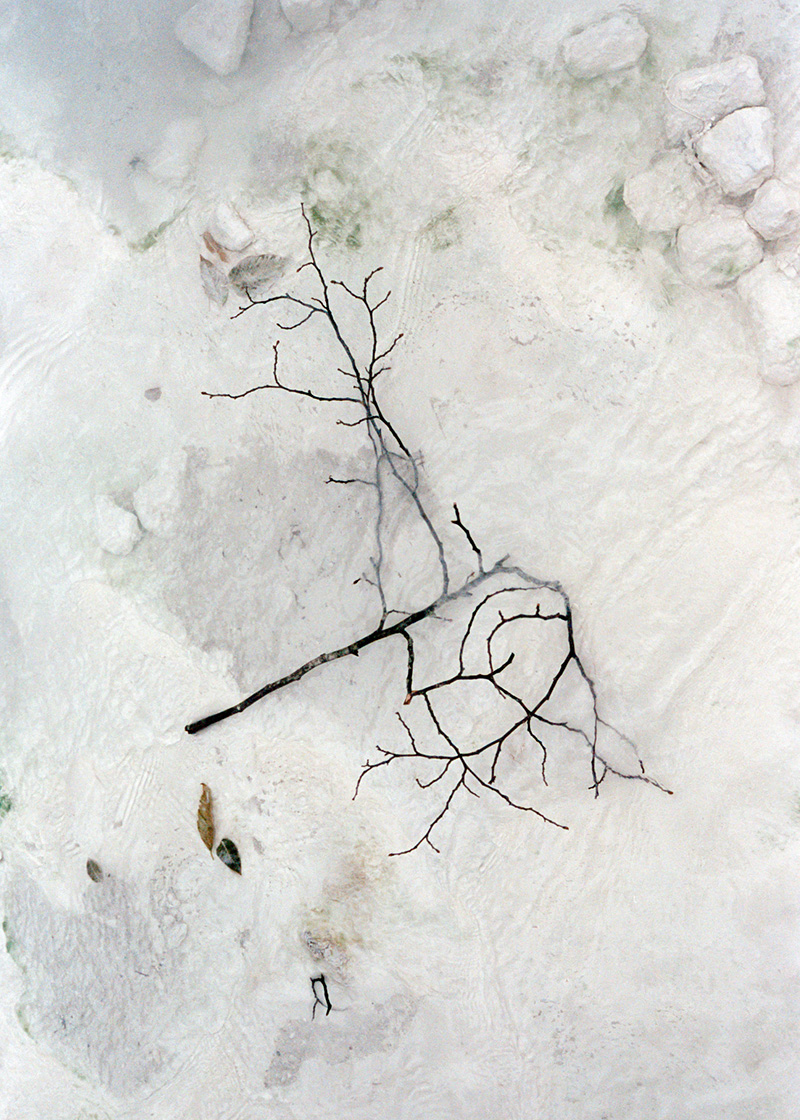
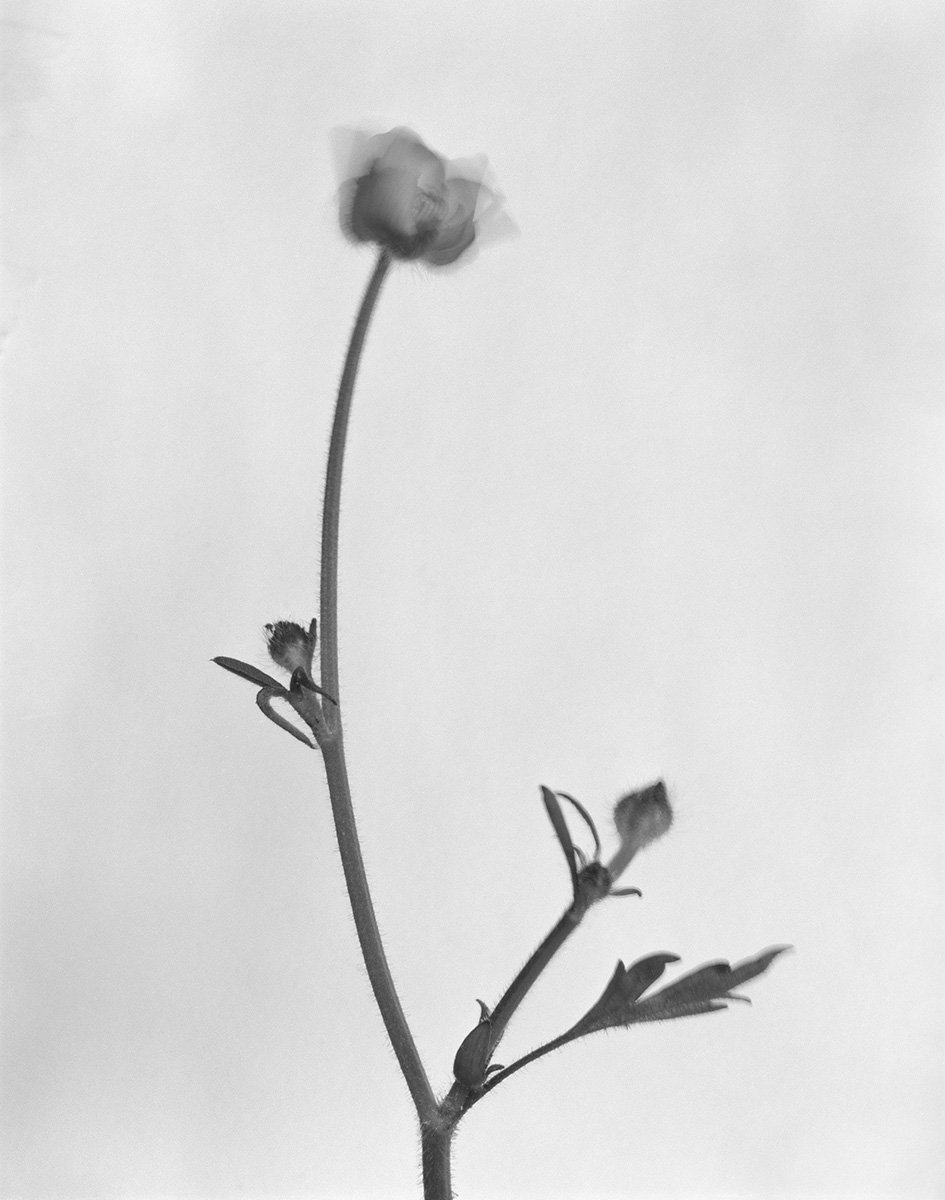
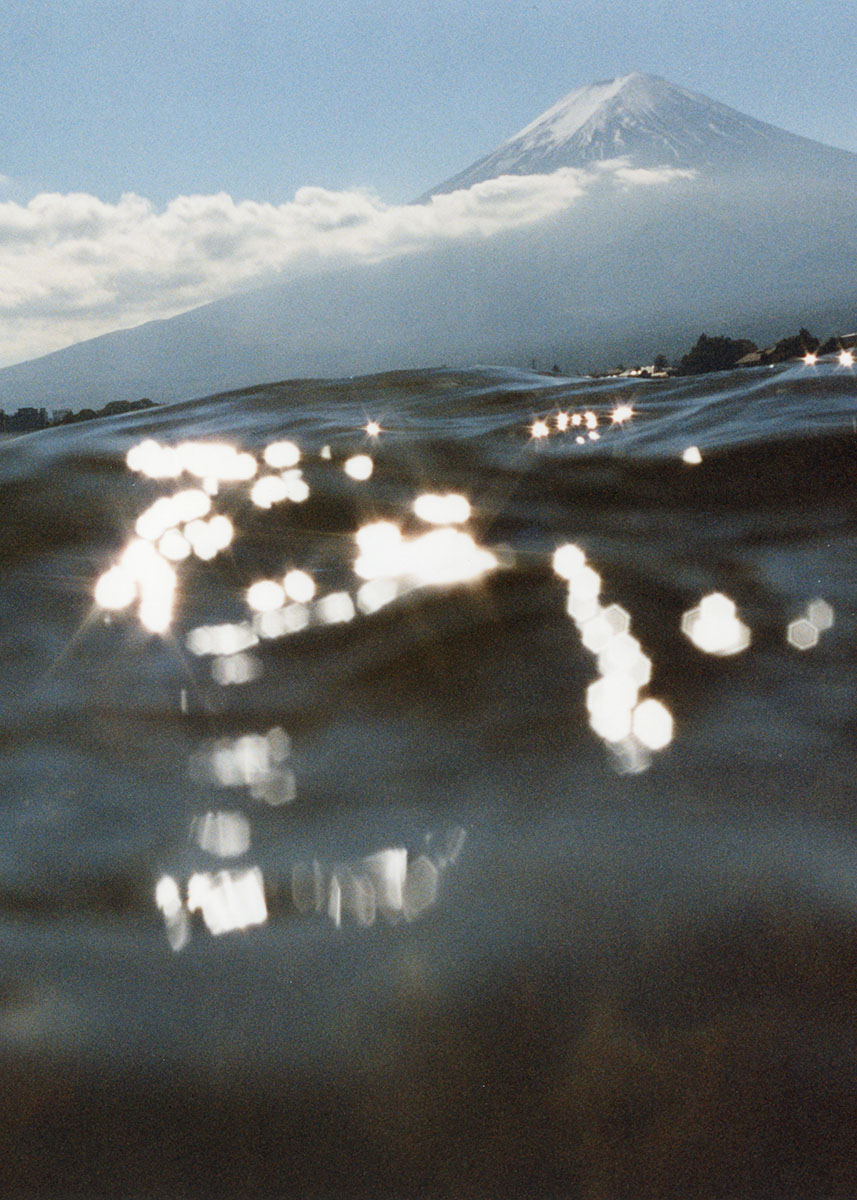
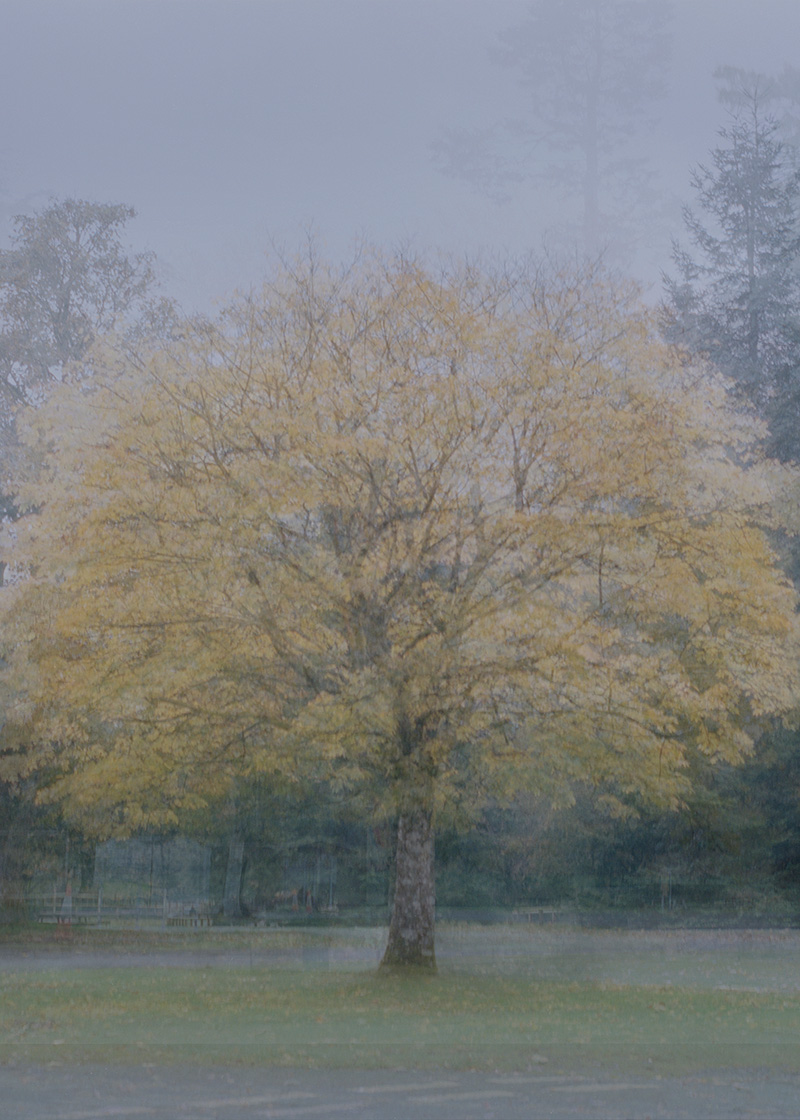
Photos by Lena C. Emery
People sometimes fear the molecular scale because they think it is too mechanistic. But insights into how organisms (humans included) respond to seasonal transformations at chemical and physical scales reveal not simple, blind mechanics, but the breathtaking synergy of every substance or endosymbiont of which we’re made, aligning to manifest a self—a being that seeks to survive and thrive and whose will to do so is integral to them. Life, in any form, is uniquely organized for purposeful action and there is nothing else like this that we can observe in our cosmos to date.
I urge you to watch the coot that thrusts her legs determinedly against the flow of the river waters and then hold in mind that each cell of the coot’s being, and every part of that individual creature, is working ceaselessly, second by second by second, channeling the energy of a lightning bolt, swithering against the flow, with the goal of making her nest. This is mind-blowing. So why do we chronically underplay the significance of how living beings come to know the world?
One reason is that the metaphors we have used to understand biology undervalue the capacity of other beings. When we look at how plants flower or how a bird decides to build a nest, we’ve tended to tell a simple story that species respond to “the program” in their genes. By this view, there’s no agent to whom anything really matters, just a biological machine following the goals that evolutionary process has left behind.
However, such metaphors are not only misleading scientifically, but also ethically. They can encourage objectifying distortions of a much more complicated and dynamic reality. Many harms towards other life-forms are committed and justified because we tell ourselves that other living beings, in the absence of our conscious and reasoning gifts, cannot really know or decide on anything. As such, we see them simply as material things in our world, as tools, backdrops, as a pretty mirage of autonomy. And because they are not “really” acting intentionally in the world, but merely reacting as a machine might, their lives can be reframed in terms of their function or utility.
But new insights within the science of cause in biology are transforming our understanding of the intelligence of living beings. Life-forms are profoundly interwoven with their environment and each other but are nonetheless locally distinct. This allows for a dynamic interior that senses the outside world and can react purposefully to survive the changes. A number of vital attributes are locked together for this to be possible—especially metabolism, the ability to bias energy towards a goal, and homeostasis, the ability to rebalance the body towards the optimal conditions for survival. Through these attributes, the whole body of the organism works ceaselessly to make sense of the world and respond in ways that support flourishing and survival. In this way, every micromillimeter of a bird or a plant (or you and me) is an instrument of meaning, harmonizing and changing state. And the amount of energy pushed around the body to make all this possible is quite extraordinary, like lightning storms within us, flashing and swirling until the day we die.
Most crucially, life-forms are structured to achieve goals that follow from whatever state they are in relative to their environment and what is happening to them. When we understand how life-forms create changes to themselves, we can begin to appreciate that spring is not a season, a time per se: it is a form of knowledge. The changes and activities of organisms are the literal embodiment of what we take spring to mean, radically determined by the organisms themselves. In the absence of living beings’ responses to the world beyond them that they’ve come to know—putting out buds, bringing their bodies together, building the cradles for their young—spring is meaningless. It is only the undirected dance of electromagnetic radiation and the Earth on its axis.
SEASONS ARE POWERFUL opportunities to see how individual organisms, in the present moment of their life, make different or novel decisions, internally and externally, in response to changes. This isn’t infinitely flexible—organisms each have essential needs that can’t be compensated for amid huge disruptions to a season. Yet it is a mistake to see living beings as objects passively altered by variations in their world. Rather, life is active by its nature, and all living beings are wildly alive to the changes, opportunities, and perturbations that surround them and that have meaning for them. The state of being alive is all about sensitivity, flexibility, and attention to change. There is hope in this for the future.
Yet humans, despite being highly sensitive creatures capable of introspection and a phenomenal breadth of action, are changing for the worse. How have we become so disconnected? What has got in the way between our bodies and the world?
To answer this question fully would take more than an essay. But the simple reason is human culture. Whereas the kind of direct knowledge between our physical bodies and the environment is almost impossible to hack, the other way that animals can accumulate knowledge is through cultures—collective ideas and behaviors that are learned and shared. There are huge benefits to this kind of combined and cumulative knowledge, but there is always a very real danger that it can be coopted or distorted away from any fundamental goal of positive adjustment.
That is what we see today. There is ample evidence that the world is altering in ways that are detrimental to many of us. Pollution is perhaps the easiest of these to grasp. According to the World Health Organization, ninety-nine percent of the human population (and we can therefore deduce much of the rest of the biotic community) breathes air that has been polluted by human activities. Tracking the effects of this across such a colossal dataset is almost impossible, and so when we are told that this contributes to at least seven million deaths annually, we can assume that this is an almost meaningless figure. How much does pollution contribute significantly but indirectly to strokes, heart disease, and cancers, for instance?
We can see, taste, and smell pollution, and yet we struggle to make the necessary changes. This inertia is mostly down to the absorption of widespread cultural values, such as prioritizing economic growth, that drive us towards choices that disrupt the pathways between the identification of cause and a proportional response. And there are, perhaps, further obstructions. Many of us have formidable psychological barriers between the physical realities of the world and our beliefs about life. For example, spiritual beliefs about the superiority of humans over the rest of creation that convince us there is no limit to how we subordinate the Earth to our needs and wants. Or commitments to ideologies like neolibertarianism that legitimate private impulses at the expense of collective measures towards change in the human sphere. One barrier comes in the form of good old-fashioned optimism that we will somehow manufacture a solution, or alternatively, good old-fashioned nihilism, appeasing us with the notion that we are screwed anyway.
Yet an acceptance that we are mortal beings who, first and foremost, need to understand our interdependence with the fabric of the world around us remains mightily powerful. Future cultures must recognize our biological reality again. That is a lesson that my time in the Arctic gave me. There, cultures emerged out of direct communication with the wider environment and other species. That is a sensibility we need to cultivate now. And I feel this as my last child stands on the threshold of puberty. As a more experienced mother now, I know how this stage of life will draw him out of the safety of our loving home and into a world of uncertainty and unsettling realities. I know that our time together in the richness of this intimacy is drawing to a close. Parenting is a long goodbye, seasoned with both joy and grief. All I can gift my youngest son is the knowledge that culture should always be sensitive to one’s biological reality.
And so, today, as the summer is sinking into autumn, my son and I have come to say goodbye to the swallows to experience the changing of the seasons. Together we stand in the middle of the road, following the valley’s line to the sea. The light, heavy and granular, draws down the sides of the dale like sands through an hourglass. The swallows chitter and swoop, restless as teenagers, conjuring new orbits, new physics, an orrery of birds.
Countless times I have seen swallows and house martins possessed by Zugunruhe. It is one of the most poignant expressions of seasonal shift that a human can witness. Their readiness to migrate charges the air, almost bears down on those close by. It is vortical. Sublime. We watch them, mesmerized, for what feels like hours until the cold begins to catch us. “Shall we go back inside?” my son says to me, eyes like sun on a turning leaf. Soon, I say. Just a little bit longer.
Swirling between and around me and the slight body of my child, the swallows seem to gather up something of who we are as dust is embodied in the gyration of the storm, carrying us with them to other worlds. And I wonder who in Africa will greet them as signals of a new season, whether a mother and her son will look up to the skies in KwaZulu-Natal and know that I am thinking of them.
Reflecting a world where snow no longer arrives, annual migrations fall out of time, yet first blossoms still burst, Seasons, our sixth print edition, moves through three themes: requiem, invitation, and celebration—each a contemplation on the paradoxical ways the seasons now beckon us into intimate relationship.
Sign up to receive our newsletter each Sunday morning! We are an ad and subscription-free magazine committed to sharing stories crafted with care. Join us as we explore the threads connecting ecology, culture, and spirituality.