Essay
Making Light | by Kerri ní Dochartaigh
Emergence Magazine
Emergence Magazine

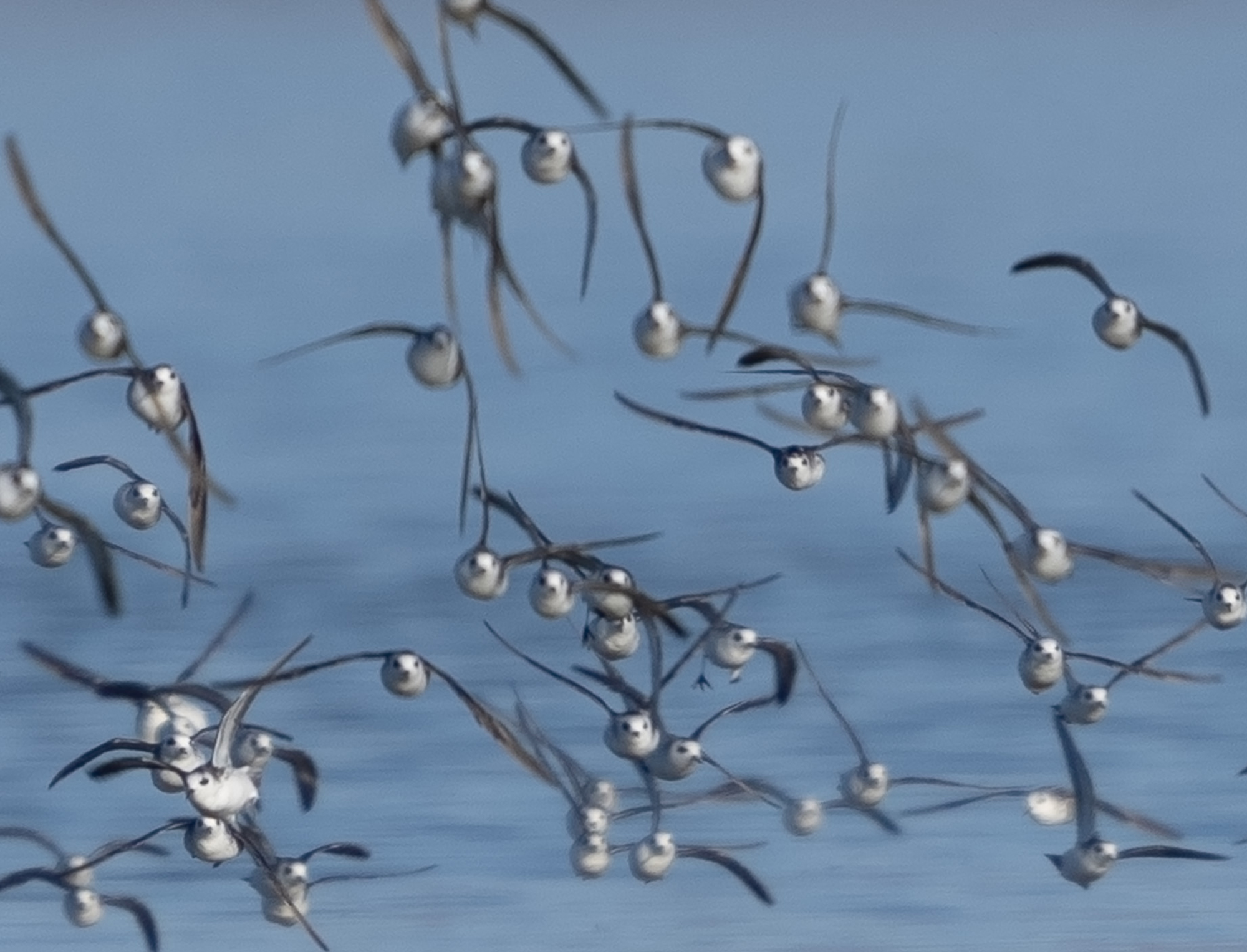
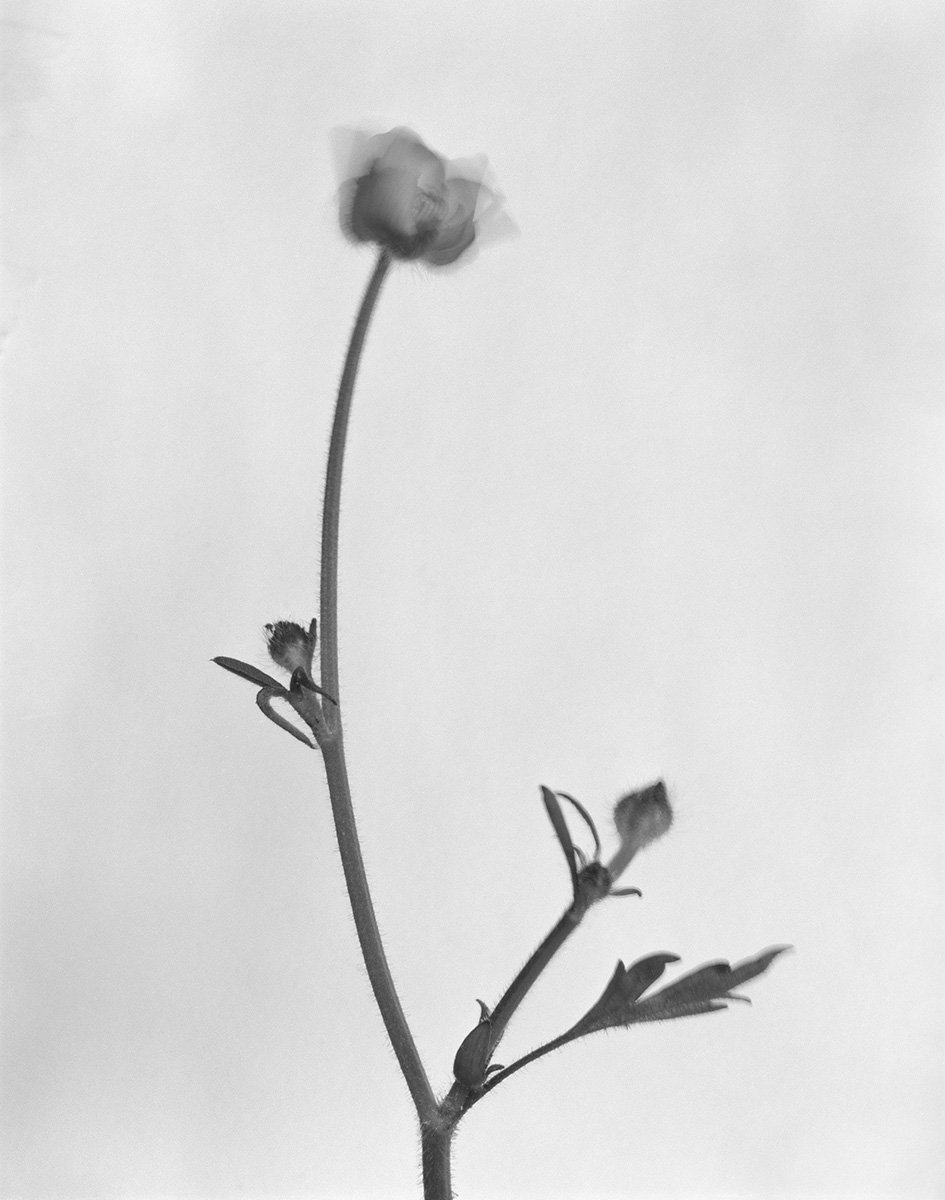
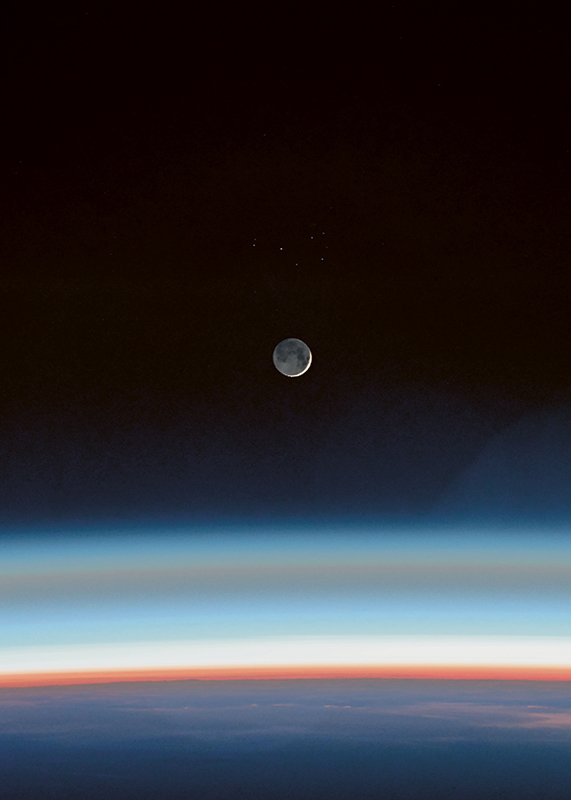
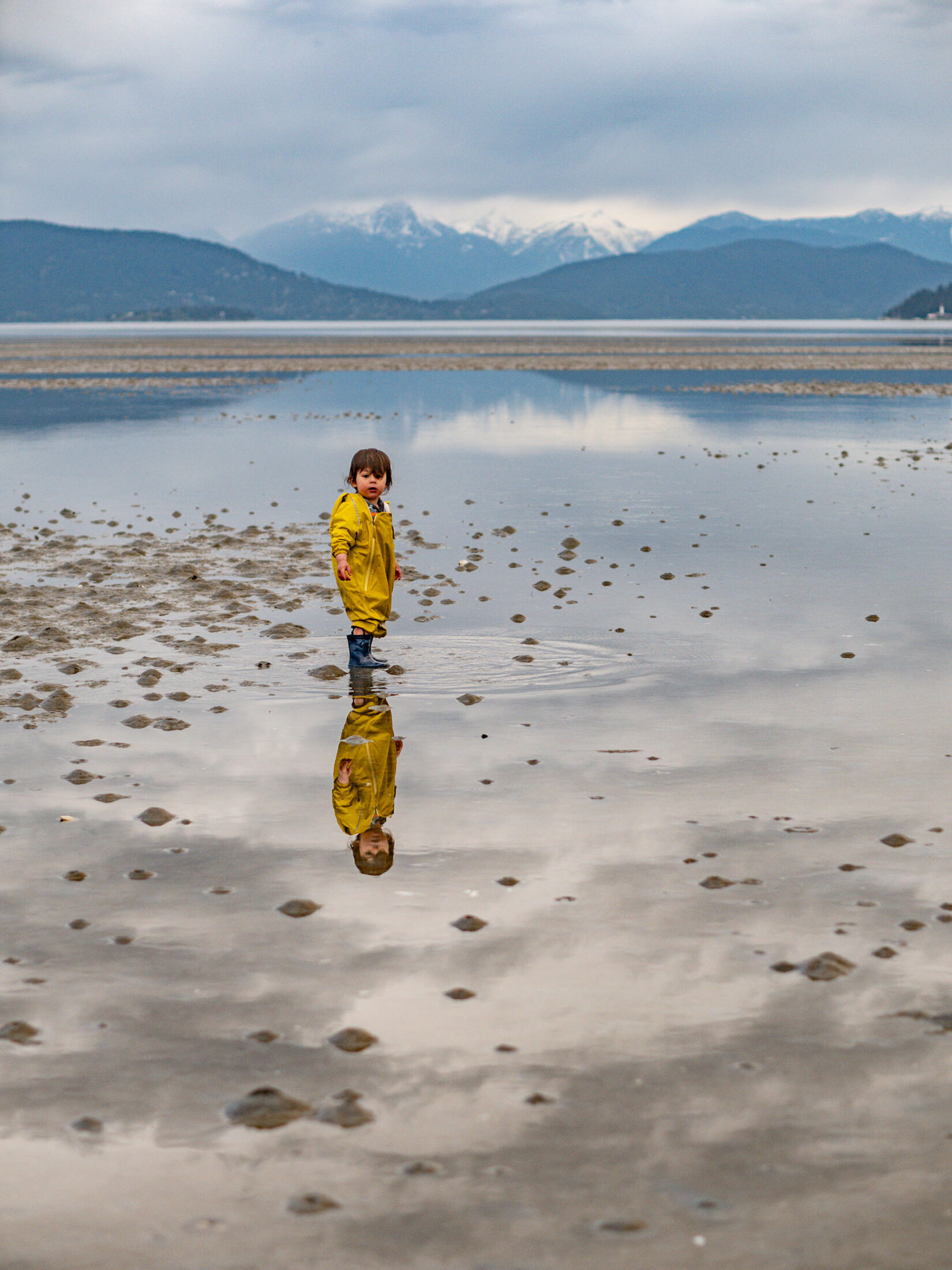
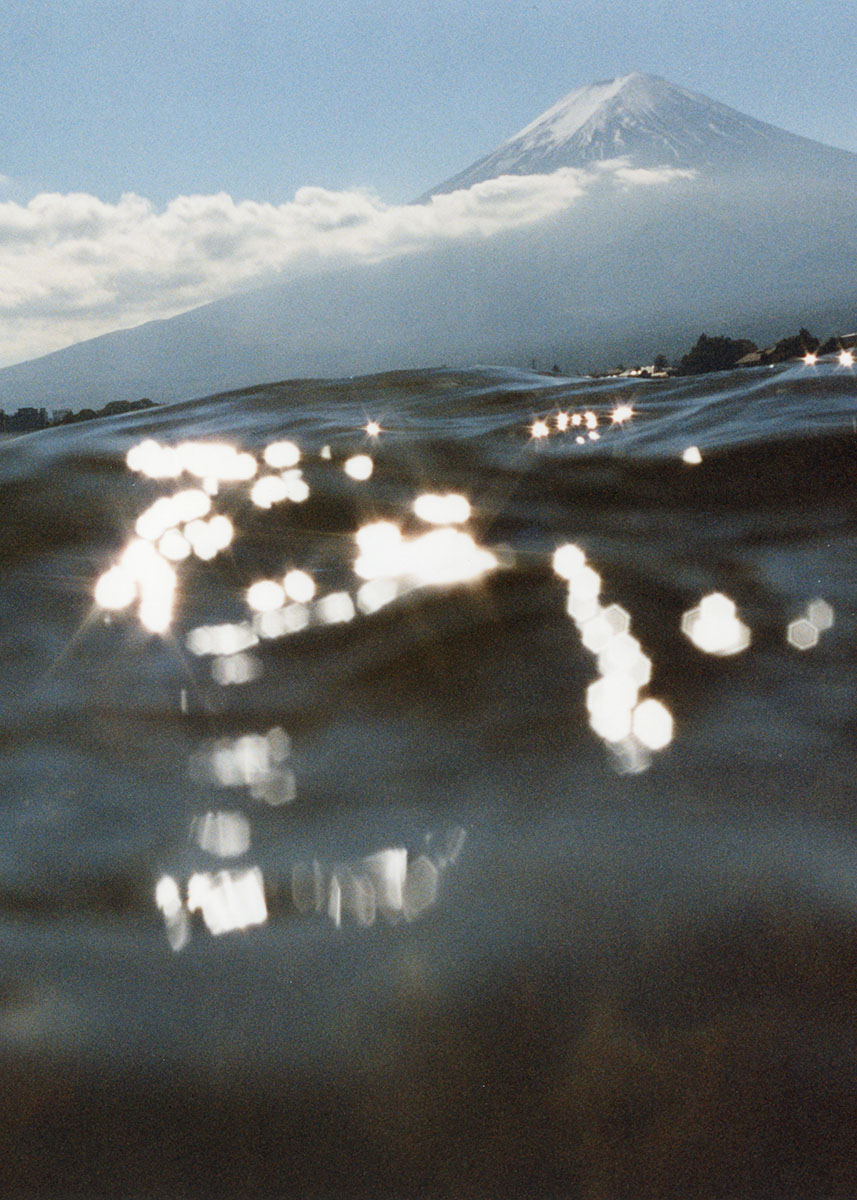
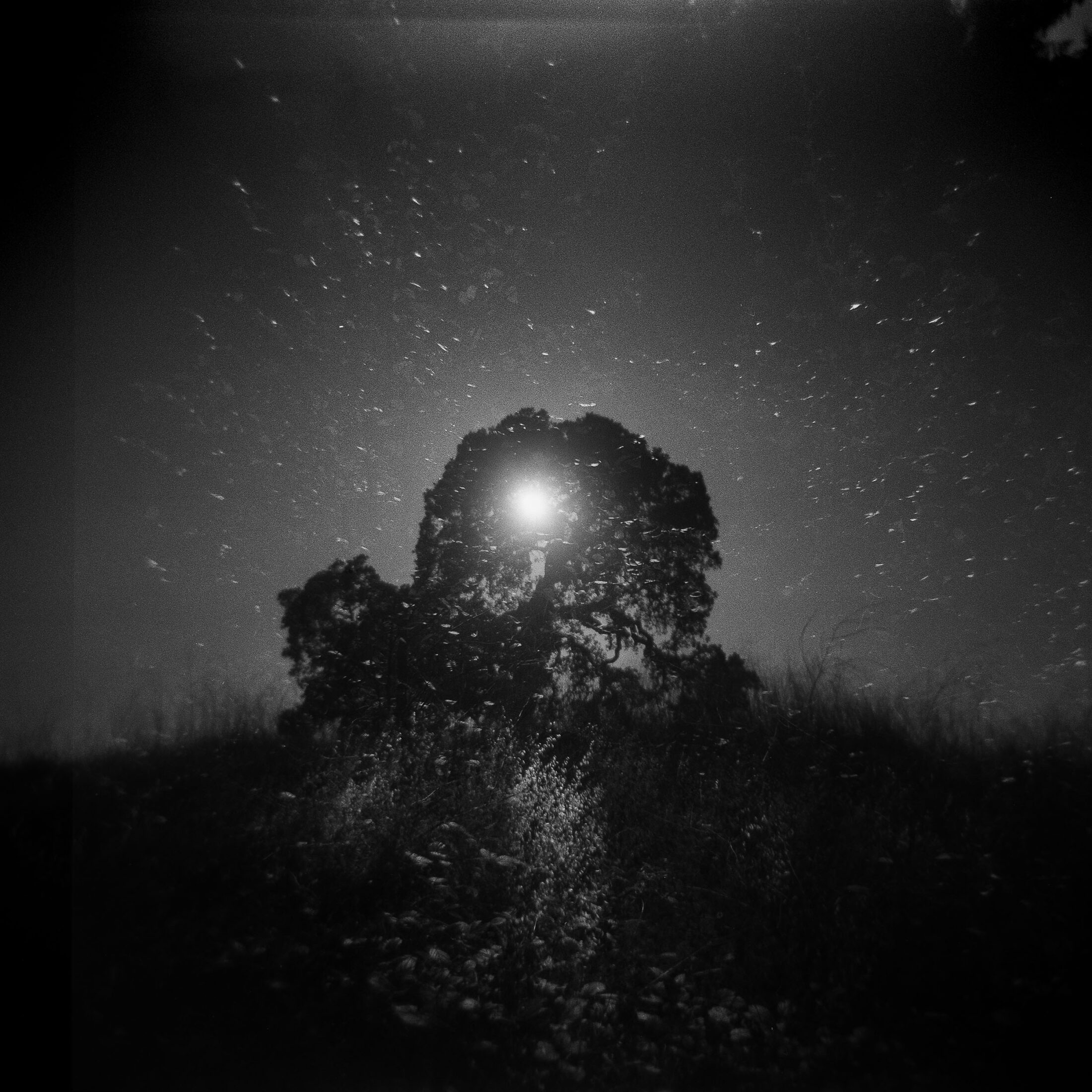
Photo by Al Brydon and J.M. Golding

Making Light

An Invitation . . .

by Kerri ní Dochartaigh

Writer

Kerri ní Dochartaigh is the author of Thin Places, winner of the Butler Literary Award and shortlisted for the Wainwright Prize. Born in Derry-Londonderry, at the border between the North and South of Ireland, she has written for The Guardian, The Irish Times, BBC, Winter Papers, and others. Her latest book is Cacophony of Bone.

Photographer

Al Brydon is a photographer based in the North of the UK. His work explores time, place, and the emotional undercurrents of everyday experience, often through long-term and process-driven projects. His work has been published and exhibited in the UK and internationally, and his books include Even the Birds Were Afraid to Fly, None Places, and Based on a False Story. He is also co-founder of the photographic collective Inside the Outside.

Photographer

J. M. Golding is a photographic artist based in the San Francisco Bay area. She uses plastic, pinhole, and vintage film cameras and cameraless techniques as her primary tools. J. M.’s photographs have been shown internationally in numerous juried and invitational exhibitions, and have appeared in several books. She is the author of the photobooks Returning to the Unimagined and Where You Are; and with Hélène Barrette, Playing With Light / Jeu de Lumière

Beholding the way the Earth speaks to us through light, Kerri ní Dochartaigh offers a poetic evocation of how our hearts, too, can hold the duality of lightness and darkness.

I grew up in a place that took things
—ideas, concepts, fears, griefs, joys—
and made them into stories.

I grew up in a place where the eyes of
horses were never just the eyes of horses;
where a rainbow was never just a rainbow;
where snow meant so much more than
the sum of its glistening, planet-bright parts.

I grew up in Derry, in the northwest of Ireland, a handful of miles from a man-made border that tried to cut that green, dancing island of mine into two separate parts.

I began my growing there, in that oak-fringed, river-mapped city, right in the very middle of the Troubles. In their exact center. A time which proved to be a thin time; a harrowing time; a liminal time; an unthinkably bright time.

The brightness of that time was its own story—became a tale that took many of us who had grown in those times—and showed us the way through. It feels unimaginable, unspeakable even, to write of brightness when writing of those times.

Those days of bloodshed, of terror, of loss, of fear.

Those nights of violence, of cacophony, of horror, of darkness.

So many of us, in the northwest of Ireland; so many of us in the north, south, west, and east of so many other bodies of land on this, our planetary home, did—and continue to do—our growing through days and nights like those.

Violent times leave us, so very often and so very deeply, with a sense that all light is gone.

That all light has left us; the most traumatic abandonment.

Violent times can make us feel that we are living, for reasons outwith our control, in terrifyingly dark times. The very nature of violence—of the brutality that is such a core part of the story of our time—is such that it tries to leave us feeling helpless. The cruelty that ties our days together with its fierce, bloodstained rope is trying—in myriad ways—to bond us to hopelessness.

It feels, does it not, no longer possible to imagine a life lived outside of the ropes of brutality.

The thing is—the thing that those of us from Derry, those of us from every place that has known violence and the attempt to separate—we are more interconnected, more finely and exquisitely woven one to the other, human and more-than-human, than we might ever find the words for.

I am you.

You are me.

You & me are we.

And we are moss; we are lichen; we are acorn; we are oak.
We are eel; we are starfish; we are coral; we are whale.
We are clay; we are mud; we are sand; we are rock.
We are sky; we are sea; we are earth; we are fire.
We are perpetrator; we are victim; we are them; we are us.
We are starlight; we are moonlight; we are planet bright; we are hidden light.


(How does light work in a world held in place by darkness?)

(How do celestial bodies move on a planet kept in orbit by violence?)

May I take your hand—lead you back in time & place & myth—to that city built of tall walls, crimson blood & tiny acorns?

Let me hold your gaze here, a wee bit longer.

(Yes, it is dark, here, dear child: but draw closer.)

But look!
But linger here a little longer.
Look here, look now.
Look deeper, look wider.
Look like your heart & your body
& my heart & my body—
look like all of the hearts
& all of the bodies
depend on it.
Like it all depends on your looking . . .

And what do you see?

Yes, it is bright and brightening still.
Yes, despite the darkness: a soft, tender glimmer.
Yes, even in the darkness, it is light.

It is light, it is light: it is light.

***

I grew up amidst a kind of darkness that took the world and made it stranger, wilder.

That took the heart and made it stranger, wilder, too.

A kind of darkness that took the heart and made it widen.

Wider, wider still: a strangely, wildly inversed pinhole camera.

Instead of light dripping in slowly: a rush; a flood; a brightening.

We are living through a time in which many people would have us frame the story of light as one of scarcity.

Like violence, ideas of scarcity would have you as simply you, me as simply me.

There is no we with a scarcity mindset.

Scarcity, like violence, lives closely with fear.
Scarcity, like violence, lives closely with separation.

We are living through a time in which many people would have us frame the story of light as one of separation.

Us here, alone, in darkness.
Us here, abandoned, in helplessness.
Us here, adrift, in hopelessness.

Many of us, so, so many of us, are beginning to think, feel, and dream into other ways.

Other stories.
Other truths.

Other invitations.

This year, at Bealtaine, the Celtic festival of fire, I stepped into a relationship with light that changed my life.

Bealtaine is a cross-quarter day, one that marks the beginning of summer.

At Bealtaine, we are closer to the fires of our being than at perhaps any other moment in the circle of the year.

My ancestors lit great bonfires to herald in the season of hope, of harvest, of the heart, at Bealtaine.

Bealtaine: Bright Fire.

White.
Bright.
Shining.

The rituals held in the arms of this festival remind us that for our ancestors, this was a time of pyres; a time of purging; a time of protection; a time of merry making; of fertility; of moving from darkness into light.

This has always felt clear-cut, deeply illuminated truths leaving no room for any in-between-ness.

At Bealtaine, we finally enter the mouth of May. We bid farewell to the month of the cuckoo, the month of storms, the month of loss. April can be a fierce, butchering month in Ireland.

In May we cross a threshold.
In May we dance with a gossamer-thin veil.

We are unshackling ourselves from the darkness!
We are promising ourselves to the light!

(But, child, draw closer, once more. Look . . . )

Bealtaine may be held as the season of light,
but what does light really mean?

And how do we make it?

What exactly does it take to make light?

***

I have said this shift in my relationship with light began last summer, but truth be told I know it was not as simple as all that. Things—especially those of a celestial, magical, ethereal nature—are very rarely simple. But, somehow, they are also much simpler than we might ever fully grasp.

It began, if I really must pin it down, with pinky-grey Irish midland skies.

Pandemic skies.

Geese skies.

Pregnancy skies.

It began with a story, as it always does; as everything must.
It began with a story,
and with a sky,
and with a small seed,
as it always does;
as everything must.

I first began to understand light
as invitation the year
I first fell pregnant.

I first began to understand invitation
as love the year
I first made light.

Those pinky-grey pandemic skies—emptied as they were of metal birds, full as they were of singing birds—changed life as I knew it.

Those skies above an Irish bogland—emptied as they were of normal life, full as they were of new life—changed light as I knew it.


(What does it mean to be making life as loss ripples around the world?)
(What does it mean to be making light as darkness dances around the circle?)

The year I fell pregnant with my first child, the world as we knew it had changed beyond all measure.
It was the first year of a global pandemic.
The world had, in many ways, grown darker.
The world had, in many ways, grown brighter.
It was hard, was it not, to hold both these things in our shaky, scared hands.

The darkness.
The light.

To be cracked wide open, wider still, to the ways in which these two things—darkness and light—are much more alike than we might, before that year, have accepted them as being.

It was wild, somehow, to observe the ways they danced together, back then, that darkness and that light: seed and tree, in aching harmony.

Growing, at that scared, sacred time, towards deeper understanding of the ways darkness and light coil around each other’s beings—we grew, did we not?—towards deeper understanding of our place in it all, too.

Who and what we coil around.
Where and who we braid ourselves to.

How we slot in.
Who we fit with.

The ways our loops and spirals, our lines and circles, meet with all the other shapes of this exquisite, ever-shifting earth.

Does darkness have a shape?

Does light?

And what about when they are so close together, in our shaking, human hands, that they become one being?

What is the shape of darkness and light, held tenderly, held knowingly, in these human, human hands of ours?

I have grown, these last years, since 2020, to understand the story of being human as being a story of holding.

To have human hands is to hold human hands.
To have a human heart is to hold human hearts.

To be human is to hold.


How do we hold everything at once through this grief?

How do we hold anything at all in this dark?

I am taking you back, now, to Bealtaine.

I am taking you back to the first morning of May, in the year 2024.

I am taking you to Ireland, a land many of you will be more intimately connected to than you might even fully understand.

I am taking you, not to the north of that island, but to the West.

To County Clare.

A land of lakes and sea; fields and valleys; folklore and community. As the first light reaches a rented garden, in the east of that western stretch of land, a wren is making her way over a bed of soft moss.

A mother, just as the light was leaving the sky a few hours before, laid a garland of wildflowers on the doorstep of her home for us.

Bluebells.
Plantain.
Daisies.
Herb Robert.
Common vetch.

She placed it there for protection.

At Bealtaine, the Sídhe, the fairy people, are especially active. The Cailleach, a divine elder woman, a hag as we would have her, wanders too, often disguised as a beautiful young hare.

The mother placed these bright, fresh blooms on the threshold of her home to ward off these evil spirits for the year ahead.

The mother did not manage much sleep on this thin, bright night.

In the night, wakeful and weary, she drew her small light in close.

A blue one, one that holds the whole world inside it.

She watched, as the light filled the morning sky, a toddler—a wee girl around the age of her son—die on a table in a field hospital in Rafah. The wee girl had only half her face left, but still her wee features shone up to the mother from the device in her shaky hand. She had, only recently the mother guessed, just reached that stage where she was beginning to look, not like a baby any longer, not like her mama’s baby, but like a little girl.

A small person.
A little human, shining brightly.

The mother watches as her own small human wakens in the newly May sunlight; watches as he stretches, cat-like. Watches as his sleepy, golden face leaves the land of sleep and returns to this land of the living. Outside, the dawn chorus greets the morning. Light, that never quite disappeared in that short, liminal night, fills the whole earth as the mother knows it.

Bealtaine.
Bright Fire.
Ancient protection.

Later that morning, her young son, who she loves more on that day than she ever has in her whole life, will ask her, as she photographs the green shoots of the poppies they have grown together—

“Mama, are you making light?”

—and she will hold back tears, ancient, harrowing, hallowed tears, as she tells him—

“Yes, wee one, yes, wee one. Look at all this light that we have made.”

I am taking you back further, now, back to that most early, that most ancient, of all pink mornings.

I am carrying you, in these human arms of mine, back to your first morning in this aching, amazing-beyond-all-words, world.

I am cradling your newly formed human body, on my human body, the whole way back to your first day on this exquisite, ethereal-in-every-way, earth.

Let me hold you.

Let me mother you.

Let the human in me make room in my arms; my hands; my heart, for that small, pink human body you once were.

All those years back.

When all you had known, for months upon months, was darkness.

The darkness of the womb.

The darkness that was all and everything for you.

The darkness that was your safety.

The darkness that protected you.

The darkness that was your home.


The story of light is a story of holding.

The story of making is a story of holding.


When we make—amidst unimaginable brutality—room in our own hands for other hands, we hold the whole world in those hands.

When we make—in times of incomparable cruelty—room in our hearts for other hearts, we hold all of the dark, every single particle, and the light, too—all of the light.

We hold all of it; every human experience we’ve got; every delicate dancing dot.

The thing with holding, though, is that from that very first pink-skied morning, we are being shown how.

The thing with light, though, is that we are being invited in; from that very first moment we arrived here.

The earth, our mother, is always holding us, and I have begun to understand the sky as one of her most tender embraces.

The earth is always speaking to us, and I have begun to understand light as one of her most loving whispers.

***

We are journeying now, quite some way, back from that day that you first joined this incredible, breathtaking planet—to the early autumn of 2024.

In my Virtual Village—a WhatsApp group of local mamas who support one another in the raising of our babes—an American friend sends us three images: pink and green lights, right above the government-planted forest, right beside her home. That same week, this same friend watches from afar as the Appalachian Mountains of her home flood in ways she has never known in her lifetime. We try to hold her, us mamas, as she goes days without being able to contact her own mama. I cry for that friend, for that mama, for those blue mountains, in ways I might never fully understand.

Slowly, drowsily, many of us make our way out of our own front doors. Onto laneways, into fields, out to the main street, up the boreen, up a bit further, up to the trees, over to the clearing: out into the proper, planetary, dark. No one says this, none of us mamas, but I have the deep-rooted sense that each of us journeys alone. We leave our bábógs asleep in the warmth of our homes, their dadas or their grandparents, their older siblings or their trusty hounds, there to keep watch over them as we trace our way back to the beginning.

I find out, just that morning, that I am in the very early days, once again, of making light inside of me.

Of holding space, inside of my human body, for another human body.

Just now, they are the size of a poppy seed; a pinprick of light; a dot shining brightly, in darkness.

It is early, so early, in the journey of this newly forming human, that only three of us know of this wee cluster of swiftly multiplying cells.


I stand, alone, beneath a sky darker than I ever imagined I could withstand.
I stand, alone, beneath a sky darker than I ever imagined any of us could withstand.
I stand, not alone, but in beating, breathing, beautiful one-anotherness.


I am you.


You are me.


You & me are we.


I waken, the following morning, to a host of images of dancing light, on all of my feeds—the pinks and the greens; the reds and the soft greys of the once-dark skies—but of the perhaps thousands of images that my phone offers me, it is, as often is the way, words, not an image, that rattle my bones most deeply.

A friend, a very new one who already feels like one I will hold close for all times, writes—

“I went out into the dark to look at the light”


And I am floored by it all, by the darkness and the light; by the tender, breaking, beating hearts of us all—by our humanness.

By the shapes light takes as she lingers in our periphery.
By the shapes light takes in the dark.

Those ropes that try to keep us apart; that try to make us forget what it means to be a human—with human hands and a human heart—those ropes are looking increasingly frayed, much less powerful—on such a phenomenal, phosphorescent planet.

(How does light work in a world held in place by darkness?)

(How do celestial bodies move on a planet kept in orbit by violence?)

The world is dark, so dark, and the world is light, so light, and this is our invitation.
The world is dark, so dark, the world is light, so light, and this is our love.


Waking bright.
Taking flight.
Doing right.
Making light.


In memory of wee Gabrielle.

Read More from Vol 6: Seasons

Reflecting a world where snow no longer arrives, annual migrations fall out of time, yet first blossoms still burst, Seasons, our sixth print edition, moves through three themes: requiem, invitation, and celebration—each a contemplation on the paradoxical ways the seasons now beckon us into intimate relationship.
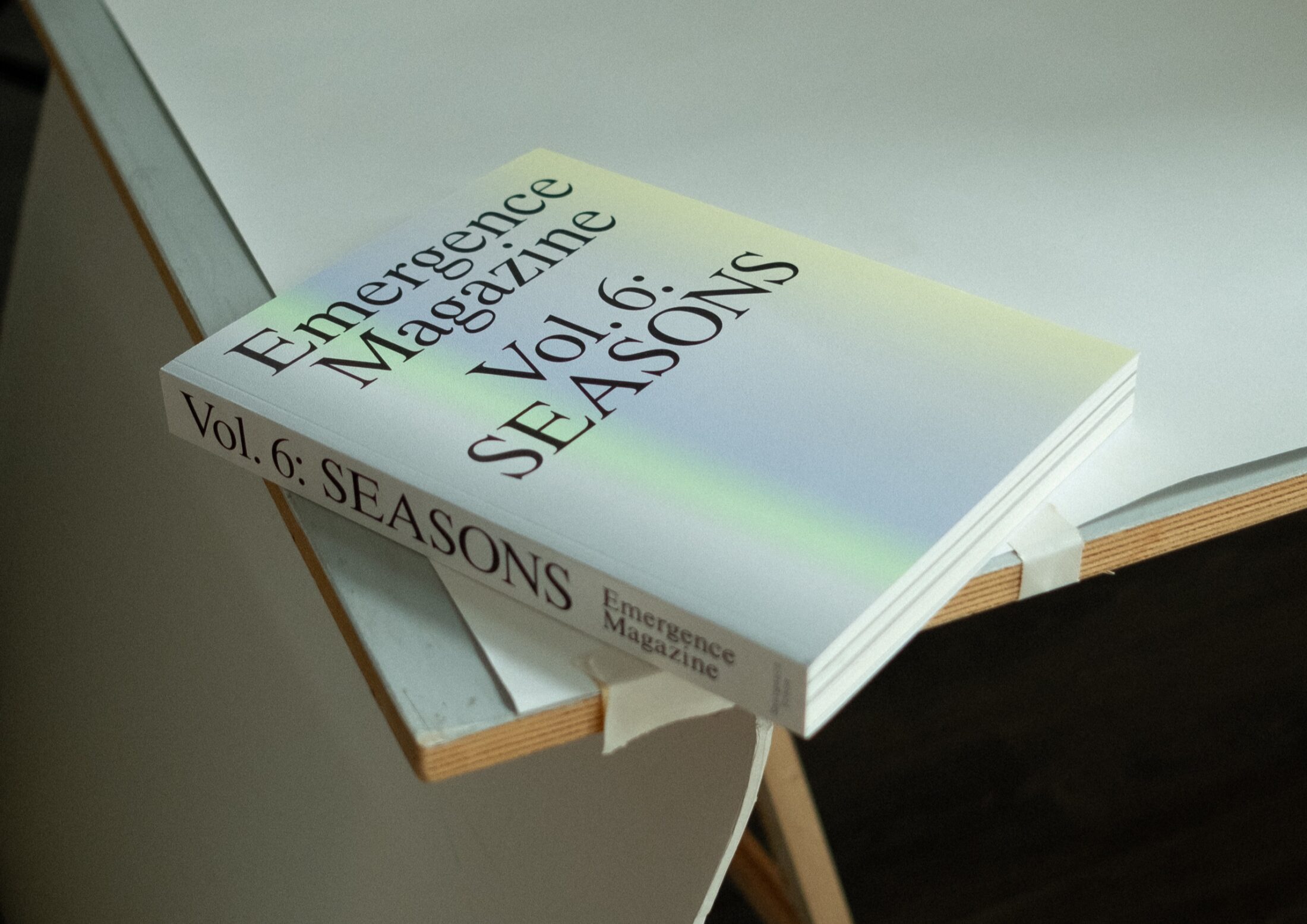
Order Volume 6
Print

Read More Essays

Essay
Essay
Filter
10 10